Car wrap vs paint is not simply a choice between temporary and permanent colour. The correct option depends on the condition of the existing finish, the desired appearance, how long the change should last, the repair strategy and the maintenance the owner is prepared to perform.
A wrap covers the existing surface with an adhesive-backed film. A paint job changes the finish through body preparation, primer where required, colour coats and clear coat. Neither option compensates for poor preparation, and both can fail when applied over unstable paint, corrosion or unresolved body damage.
Car Wrap vs Paint at a Glance
| Factor | Vinyl wrap | Automotive paint |
|---|---|---|
| Primary purpose | Change appearance with a removable film | Create or restore the vehicle’s painted finish |
| Best starting surface | Smooth, sound, well-bonded paint | Can include repair of damaged or failing finish |
| Reversibility | Designed to be removable within product limits | Not practically reversible |
| Customization | Colours, textures, printed graphics and partial coverage | Broad colour and finish options with permanent integration |
| Damage repair | A panel or section may be rewrapped if matching film is available | A panel may be refinished and colour-blended as needed |
| Typical limitation | Edges, seams, complex recesses and finite film life | More extensive preparation, curing and refinishing work |
How a Vehicle Wrap Works
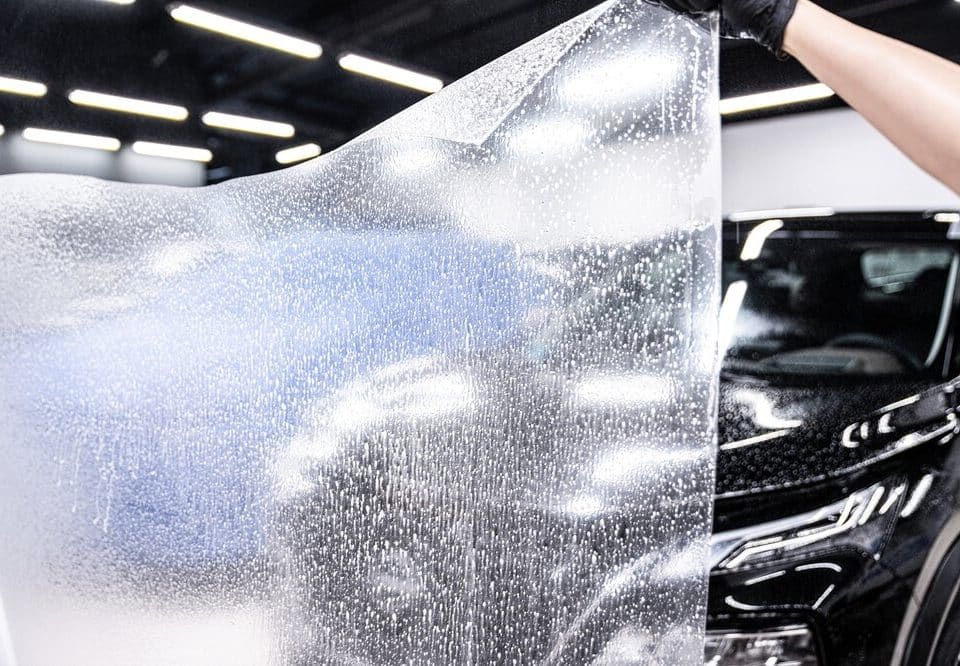
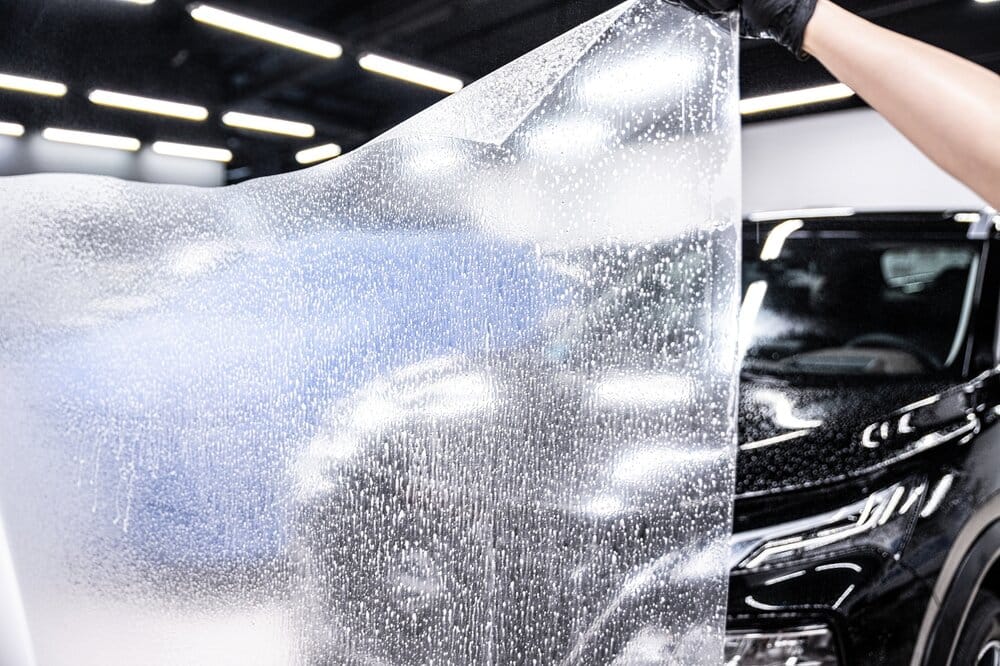
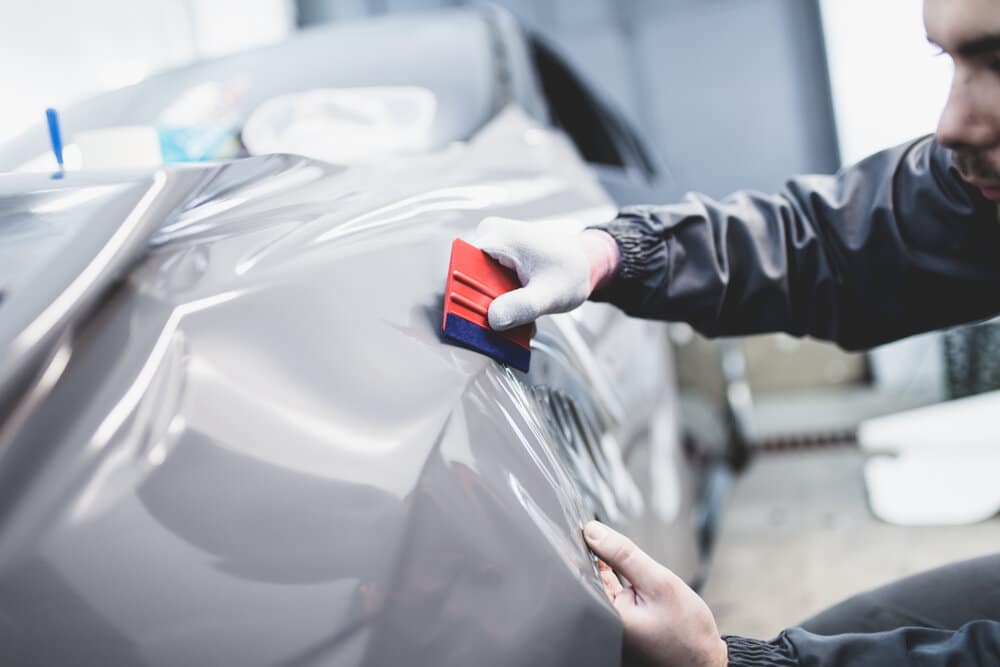
Colour-change wrap is usually a cast or calendered vinyl film with pressure-sensitive adhesive. The installer cleans and prepares the paint, disassembles selected trim where appropriate, positions the film, forms it around contours and finishes edges and seams.
Wrap does not create a new structural surface. Chips, deep scratches, peeling clear coat, rust and body filler contours can remain visible through the film. Adhesion over damaged or repainted areas may be unpredictable, and removal can lift unstable paint.
A high-quality result depends on surface preparation, film selection, controlled stretching, post-heating where required and realistic seam placement. Complex bumpers, deep channels and sharp body lines increase installation difficulty.
How an Automotive Paint Job Works
Refinishing begins with assessing paint failure and body condition. Depending on the vehicle, work may include disassembly, dent repair, corrosion treatment, sanding, feathering damaged edges, primer, sealer, colour coats and clear coat.
The vehicle then needs suitable flash and curing time before reassembly, finishing and polishing. Colour matching can require blending into adjacent panels, especially with metallic, pearl or aged finishes.
A quick respray over inadequate preparation can look acceptable initially and fail later. The quality of sanding, masking, contamination control, material application and curing matters as much as the paint brand.
Existing Paint Condition Is the First Decision
Wrap is best suited to paint that is smooth and securely bonded. Minor factory orange peel or shallow texture may remain visible, while raised chips, corrosion and peeling clear coat are likely to telegraph through the film.
Perform an inspection before choosing either process. Look for previous repairs, mismatched panels, failing clear coat, cracked filler, active rust and loose trim. Repainted panels should be fully cured according to the refinisher and film manufacturer before wrapping.
If the finish looks faded or hazy, determine whether the issue is contamination, oxidation or clear-coat failure. The guide on why automotive paint looks dull explains the difference.
Cost Depends on More Than Material
Wrap cost depends on vehicle size, film series, finish, graphics, coverage, disassembly and the complexity of panels. Mirrors, spoilers, deep bumpers and recessed areas require more labour and may introduce seams.
Paint cost depends heavily on body condition and the standard of refinishing. Repairing dents, corrosion, peeling finish and previous poor repairs can require far more labour than spraying colour. Door jambs, engine-bay edges and complete disassembly also increase scope.
A low estimate may exclude necessary preparation, trim removal, jambs, graphics design, polishing or reassembly. Compare written scopes rather than totals alone.
Durability and Service Life
Neither wrap nor paint has one guaranteed service life. Exposure to ultraviolet light, heat, freezing conditions, road contamination, storage, wash technique and maintenance all affect appearance and adhesion.
Horizontal wrap surfaces usually face more environmental exposure than vertical panels. Edges around wheel arches, handles and high-contact areas can also wear sooner. Film that remains installed beyond its intended service period may become brittle or harder to remove.
Properly prepared and cured automotive paint can provide long service, but it is still vulnerable to chips, scratches, ultraviolet degradation and chemical damage. Refinish durability depends on substrate preparation, material compatibility, film build and curing.
Request the manufacturer’s written expectations for the specific film or paint system rather than relying on a general claim.
Protection: Wrap Is Not the Same as PPF
Colour-change vinyl can provide a sacrificial layer against light surface contact and contamination, but it is not designed to offer the same impact resistance as paint protection film. Thin vinyl can cut, puncture or scuff, and an impact may damage both the wrap and paint beneath it.
Paint protection film is a thicker, transparent or coloured urethane product engineered primarily for impact and abrasion protection. Coverage options, edges and replacement strategy differ from a cosmetic wrap. See the paint protection film coverage guide for a panel-by-panel explanation.
Fresh paint also needs protection after the refinisher’s specified curing period. Wax, sealant, coating or PPF compatibility should be confirmed with the paint and protection manufacturers.
Appearance and Design Flexibility
Wrap offers colours and textures that may be difficult or expensive to reproduce in paint, including printed graphics, colour-shifting effects and partial accent panels. It can also provide consistent fleet branding without permanently changing the paint.
Paint integrates more naturally into jambs, inner edges and areas that may remain visible when doors or panels open. It can produce depth and colour effects tailored through basecoat and clear-coat systems, but changing the design later requires refinishing again.
Wrap colour is influenced by the original paint at seams, gaps and uncovered areas. Very light film over a dark substrate, or the reverse, may make small exposed edges more noticeable.
Edges, Seams and Complex Panels
A wrap is made from finite sheets of material. Some panels can be covered in one piece, while others need carefully planned seams or inlays. The goal is durable placement in areas with manageable tension, not an unrealistic promise that every surface will be seamless.
Edges may be wrapped around a panel when access and shape allow. Other areas must finish at a visible boundary. Excessive stretching can thin the film, distort colour or place too much tension on an edge.
Ask how mirrors, bumpers, door handles, sensors, badges and trim will be handled. Disassembly can improve coverage but also introduces labour and the risk of damaging aged clips or fasteners.
Maintenance Requirements
Both finishes benefit from prompt removal of bird droppings, insects, fuel spills, sap and other aggressive contamination. Wash on a cool surface with compatible shampoo and soft wash media.
For wrap, avoid concentrated pressure at edges and seams. Do not use abrasive polish unless the film manufacturer permits it. Matte, satin and textured films require products that do not create uneven gloss.
Paint can be polished when condition and clear-coat thickness allow, while wrap normally cannot be corrected the same way. Automatic brushes may mark either surface. Follow the installer’s aftercare and warranty instructions.
Repairing Damage
A damaged wrap panel can sometimes be removed and replaced independently. The practical challenge is matching film that has aged or faded, and confirming that the same product remains available. A replacement panel can differ slightly from surrounding material.
Paint repairs may involve refinishing the damaged panel and blending adjacent panels for colour consistency. Metallic orientation, pearl effects, paint age and repair location affect the process.
If body damage occurs beneath a wrap, the film must usually be removed before repair. Repaired and repainted areas then need adequate curing before another film is installed.
Removal and Reversibility
Wrap is designed to be removable, but removal is not risk-free. Film age, adhesive condition, heat exposure and the quality of the underlying paint all matter. Factory paint in sound condition is generally a better removal substrate than peeling, poorly prepared or recently refinished paint.
Removal should use controlled heat, angle and tension. Pulling old film cold or too aggressively can leave adhesive, tear the film or lift weak paint. Brittle film may require substantially more labour than film removed within its intended service period.
Paint is a permanent refinishing choice. Returning to the former colour means painting again, and original factory finish cannot be recreated once it has been sanded or refinished.
Effect on Resale Value
Neither option guarantees a higher resale price. A wrap may preserve sound paint from some surface exposure, but buyers may question what is underneath or prefer the original appearance. Documentation and inspection help address those concerns.
A high-quality repaint can improve a vehicle with damaged or failing paint, while a colour-change repaint may affect desirability for buyers seeking original specifications. Poor bodywork or visible paint mismatch can reduce confidence.
Keep invoices, product details, installation dates and photographs of the surface before wrapping or refinishing. Accurate records are more useful than broad resale claims.
Can Coating or PPF Be Added?
Some ceramic coatings are formulated for compatible vinyl or paint protection film. They may make cleaning easier but do not prevent cuts, edge lift or impact damage. Confirm compatibility because products designed for automotive paint are not automatically suitable for every film.
Paint protection film can be installed over fully cured, stable paint. It may also be used over selected wrap applications when manufacturers and installers approve the combination, but future removal becomes more complex.
The article on ceramic coating versus paint protection film explains the different roles of chemical-resistant coatings and physical film.
When Wrap May Be the Better Choice
- The existing paint is smooth, stable and suitable for adhesion.
- You want a reversible colour or design change.
- Printed graphics, branding or a specialty texture is required.
- Partial accents or panel-specific designs are part of the plan.
- You accept visible edges, possible seams and eventual removal.
When Paint May Be the Better Choice
- The finish is peeling, badly damaged or needs body repair.
- Corrosion or unstable previous repairs must be corrected.
- You want permanent colour across jambs and inner edges.
- The vehicle requires restoration rather than cosmetic coverage.
- You prefer a finish that can later be sanded, polished and blended.
Questions to Ask Before Choosing
- Is the existing paint stable enough for wrap installation?
- What preparation and disassembly are included?
- Where will seams, inlays and exposed edges appear?
- Which film or paint system will be used?
- What are the expected curing or removal conditions?
- How are damaged panels repaired and colour-matched later?
- What maintenance products are compatible?
- What does the workmanship or product warranty exclude?
- Are colour-change notifications or inspections required locally?
Final Takeaway
Choose wrap when the underlying paint is sound and a removable design change is the priority. Choose paint when the finish or body needs real repair, when jambs and inner edges matter, or when the change should be permanent. The best decision follows a physical inspection and a written scope that accounts for preparation, appearance, maintenance and future repair.