Automotive window tint changes how much visible light and solar energy pass through a vehicle's glass. A suitable film can reduce glare, limit some ultraviolet exposure and make a sunny cabin feel more comfortable. However, results depend on the existing glass, the film's tested performance and the darkness allowed for each window.
It is helpful to treat window tint as one part of a broader approach to comfort and sun protection—not as a medical treatment, a substitute for careful driving or a guarantee that a parked vehicle will remain cool.
What Automotive Window Tint Does
Window tint is a thin film installed on the inside surface of automotive glass. Different films use dyed, metallic, carbon or ceramic-style constructions to manage light and heat. The colour or darkness alone does not tell you how well a product performs.
When comparing films, look for a manufacturer's specification sheet and pay attention to these measurements:
- Visible light transmission (VLT): the percentage of visible light that passes through the glass-and-film combination. A lower number generally means a darker result.
- Ultraviolet rejection: the amount of ultraviolet radiation the tested film is designed to reduce.
- Total solar energy rejected (TSER): a broader measure of how much incoming solar energy is reflected or absorbed.
- Infrared rejection: a measure that may help compare heat-control performance, provided the products were tested using the same method and wavelength range.
These figures describe different properties. For example, a very dark film is not automatically the best at rejecting heat, and a lighter premium film may outperform a darker basic film.
UV Radiation Inside a Vehicle
Ultraviolet radiation includes UVA and UVB. According to the Centers for Disease Control and Prevention, both types can affect health, while UVA penetrates more deeply into the skin.
Vehicle glass does not manage every type of UV radiation in the same way. The American Cancer Society explains that typical windows block most UVB but allow more UVA to pass, and that the protection provided by tinted glass or film varies by product. A laminated windshield and tempered side or rear glass may also provide different levels of protection.
A properly tested film can add another layer of UVA reduction, but the exact result should come from the film manufacturer's data rather than a blanket claim. People who drive frequently can still use sunscreen, protective clothing and other sun-safety measures recommended by health professionals. Anyone with a photosensitivity condition or medication-related sensitivity should ask a qualified clinician for personal guidance.
Heat Reduction and Cabin Comfort
Solar energy entering through the glass warms seats, trim and other interior surfaces. Heat-rejecting window film can reduce some of that energy, which may slow heat gain and lessen the feeling of radiant heat near the windows. Performance varies widely, so it is better to compare TSER and other tested specifications than to judge a film only by shade.
Tint does not make a parked vehicle safe in hot weather. A closed cabin can still reach dangerous temperatures, even when the weather feels mild or the glass is tinted. Never leave a child, another passenger or a pet unattended in a parked vehicle.
While driving, tint may help the cabin feel more balanced, but air conditioning, ventilation, vehicle colour, glass area and outdoor conditions also affect comfort. Claims about exact temperature drops should be tied to controlled testing for the specific film and vehicle.
Glare, Eye Comfort and Visibility
Reducing the amount of intense visible light entering through side and rear windows can make bright conditions more comfortable. This may reduce squinting and make reflections less distracting. Sunglasses, clean glass, working sun visors and a clear windshield remain important parts of glare management.
Darker is not always safer. Film that is too dark can make pedestrians, cyclists, road edges and obstacles harder to see at night or in poor weather. Windshield coverage and front-window darkness are commonly restricted, so the chosen VLT should support visibility and comply with the rules that apply where the vehicle is registered and driven.
Privacy and Security: Useful but Limited
Tinted glass can make the cabin and its contents less visible from outside, particularly in bright daytime conditions. That can provide a degree of privacy, but it is not a security system and does not prevent a break-in.
Keep valuables out of sight, lock the vehicle and use appropriate security measures. At night, or when the cabin is illuminated, people outside may still be able to see through tinted glass.
Can Tint Help Hold Broken Glass Together?
Automotive film adheres to the glass surface, so it may retain some small fragments if a window breaks. Standard tint should not be described as crash protection, shatterproof glass or a replacement for laminated safety glazing. Products marketed specifically as security film require their own testing, installation method and supporting documentation.
How to Choose a Suitable Window Film
A good choice balances visibility, comfort, appearance, legal requirements and budget. Before approving an installation, ask:
- What is the final VLT when the film is combined with the vehicle's existing glass?
- Are UV, TSER and infrared figures available on a current manufacturer specification sheet?
- Will metallic components interfere with radio, GPS, toll tags or other signals?
- How stable is the colour, and what defects are covered by the warranty?
- Is the proposed film permitted on each window of this vehicle?
- What curing time and aftercare does the installer recommend?
Rules can differ by jurisdiction and may change. Confirm current requirements with the appropriate transportation or enforcement authority rather than relying only on a generic chart or an old online article.
Care After Installation
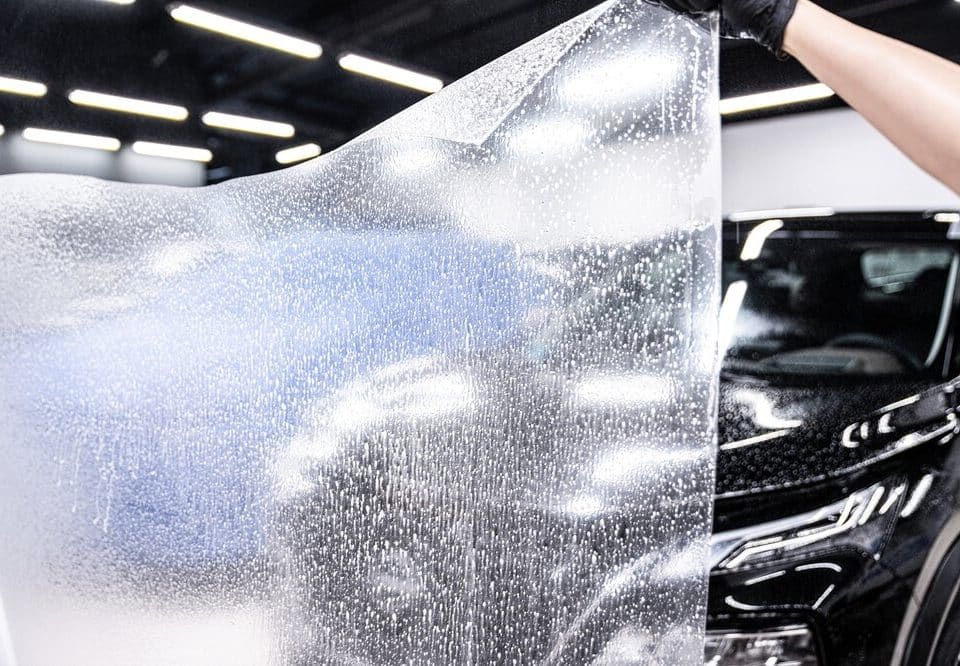
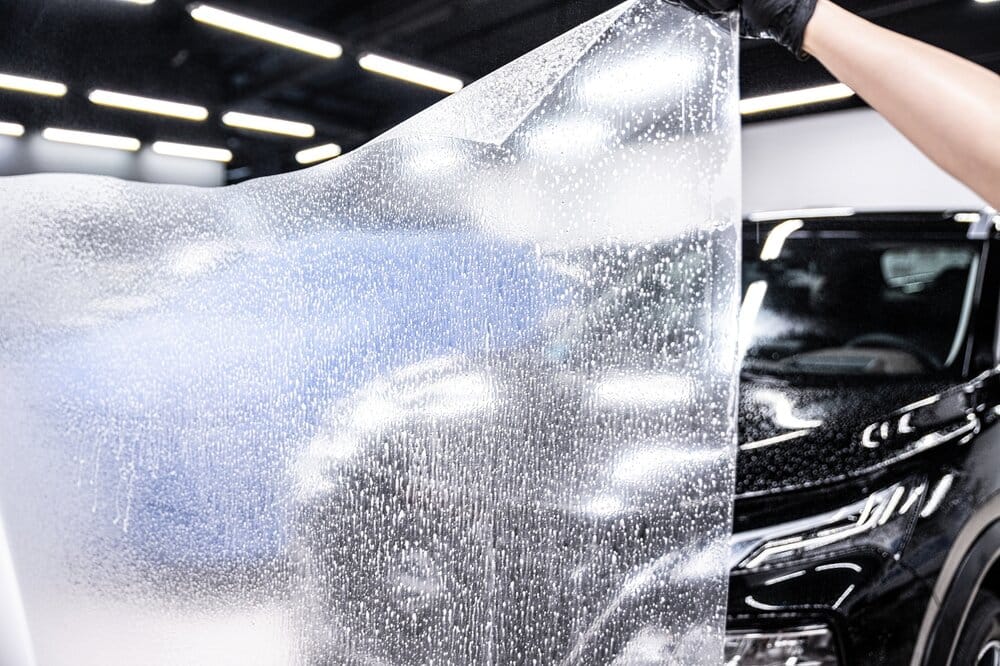
Fresh film needs time to dry. Mild haze or small water pockets can appear during curing and often diminish as moisture evaporates. Follow the installer's instructions before rolling down the windows or cleaning the glass.
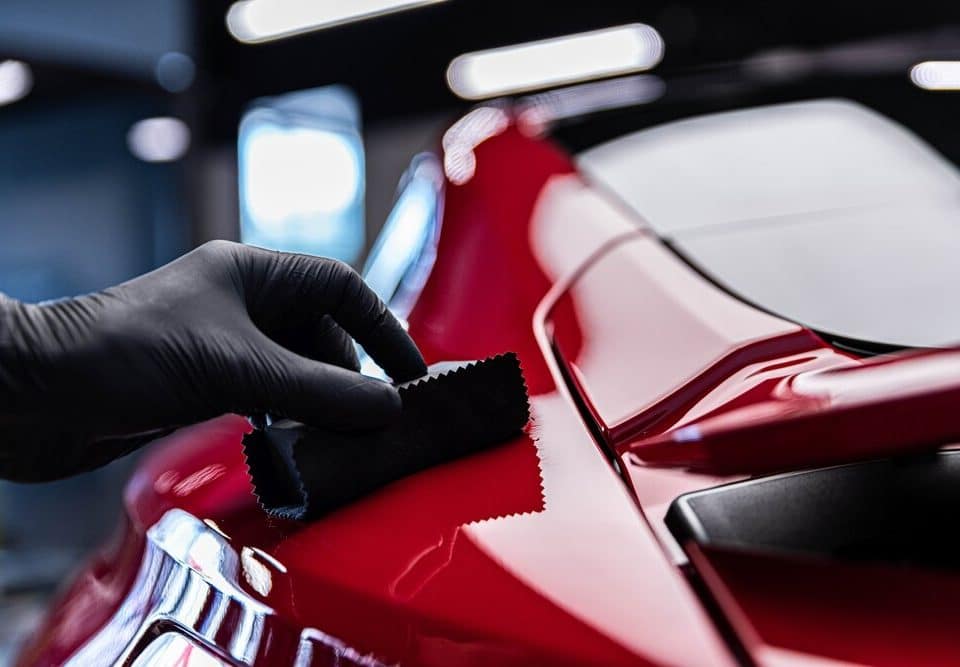
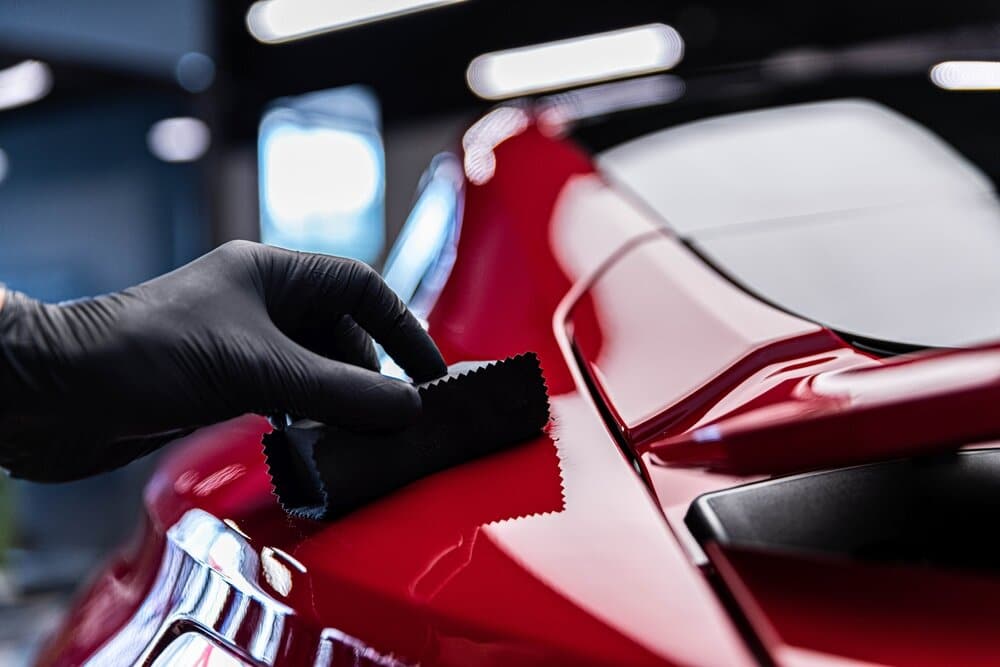
For routine care, use a soft microfiber towel and a cleaner approved for tinted windows. Avoid abrasive pads, scraping tools and cleaners containing ammonia unless the film manufacturer specifically allows them. Clean gently near the edges so the film is not lifted.
Final Takeaway
Automotive window tint can be useful for managing UVA exposure, solar heat, glare and daytime privacy, but its value depends on verified film performance and an appropriate shade. The strongest decision is based on a specification sheet, clear visibility, local requirements and professional installation—not on broad health promises or darkness alone.
If you are comparing films, review the available automotive window tint options and ask for the specifications that matter for your vehicle.