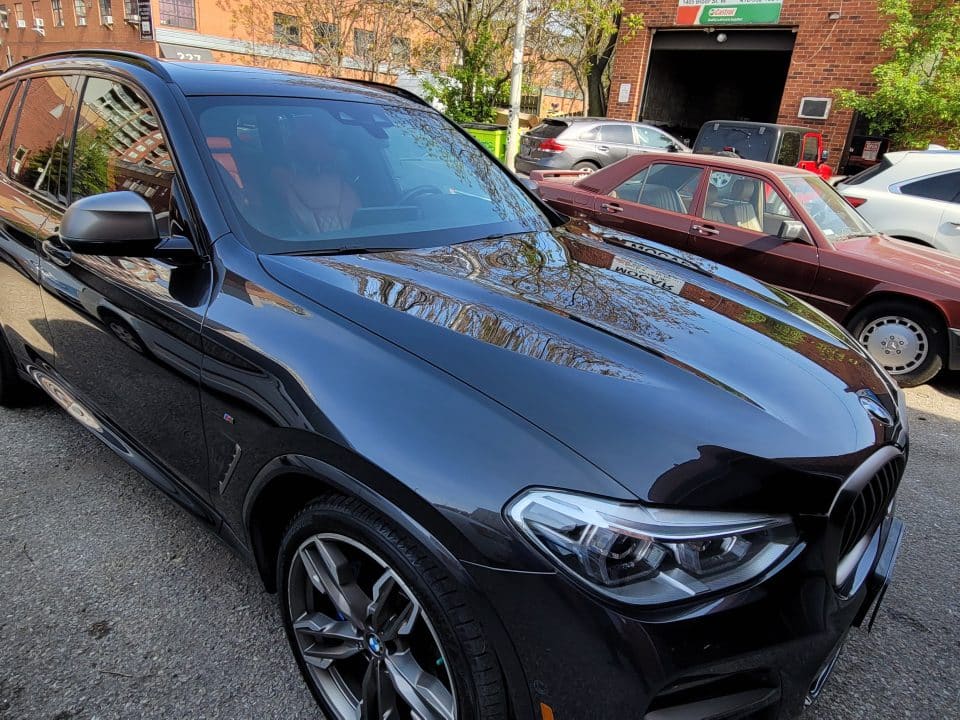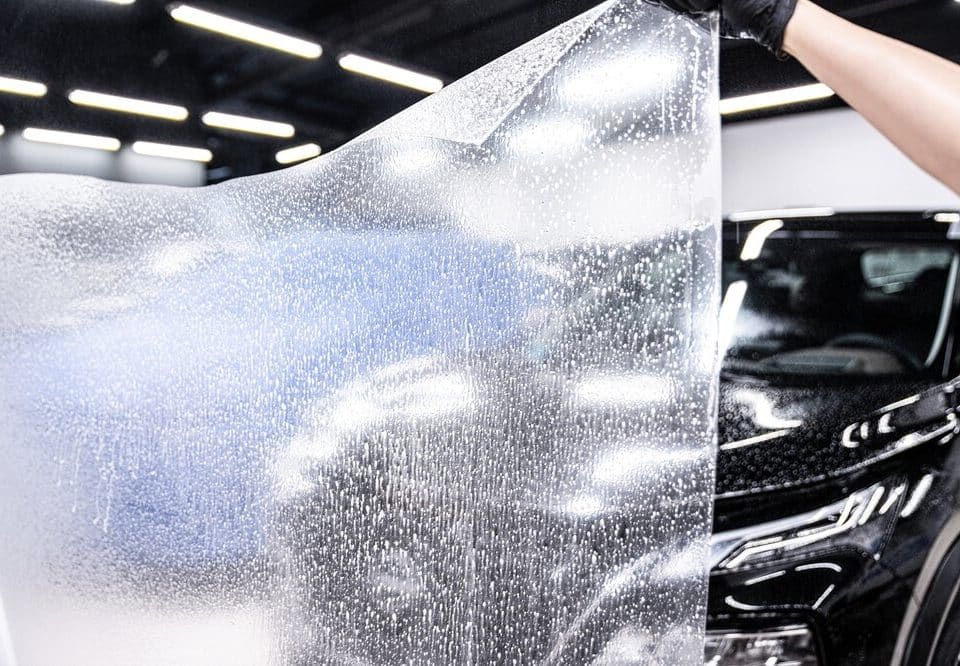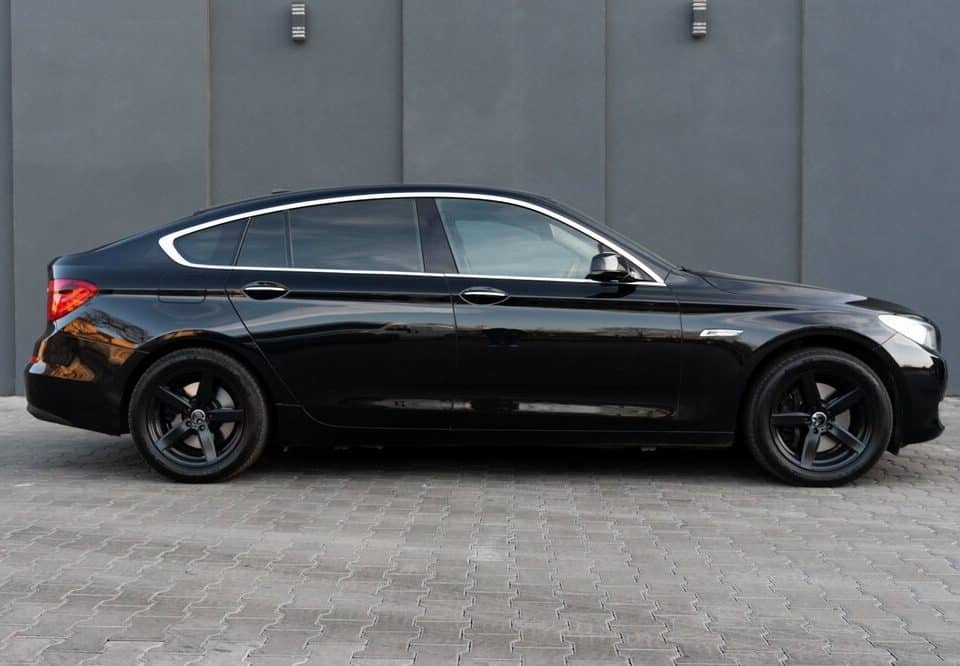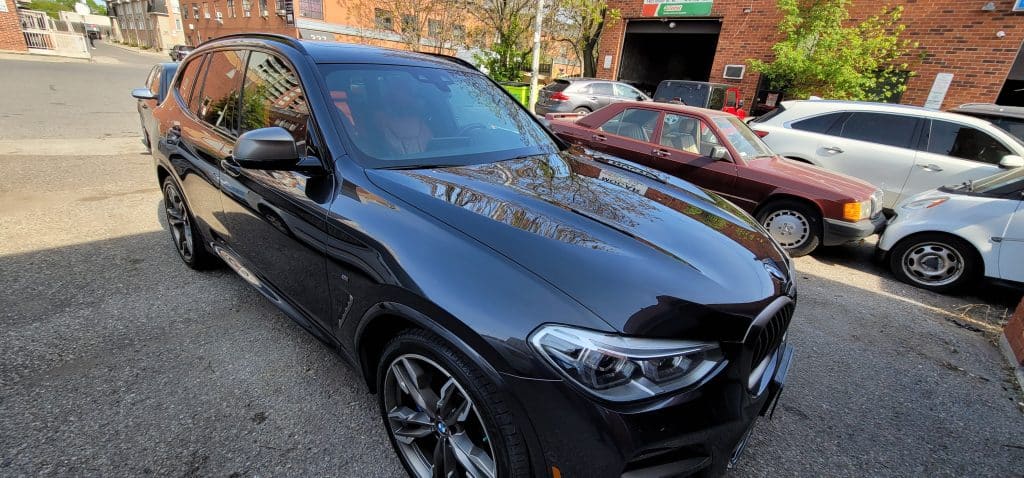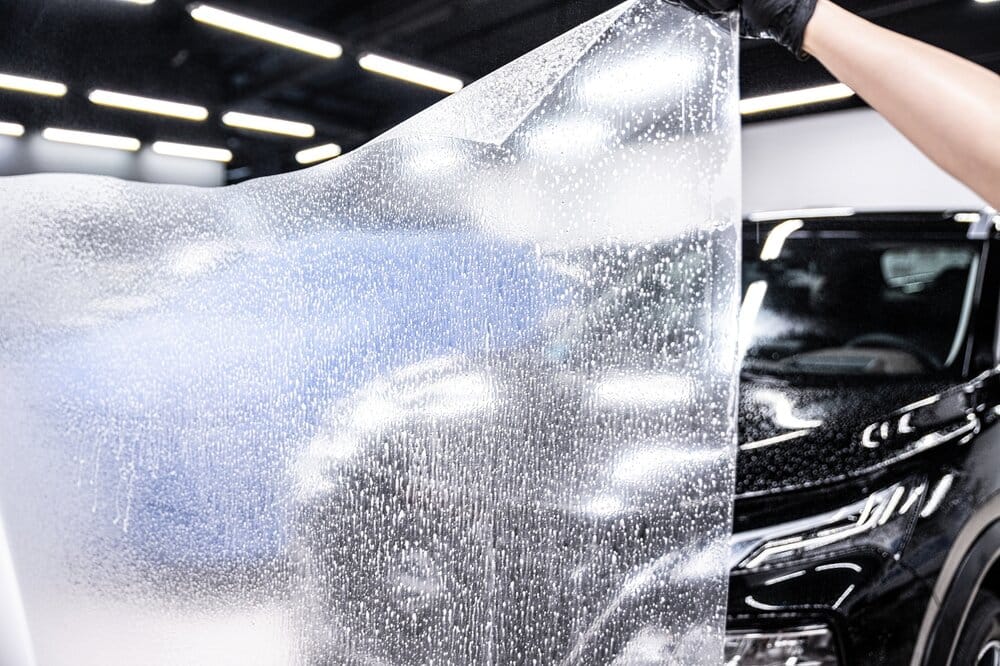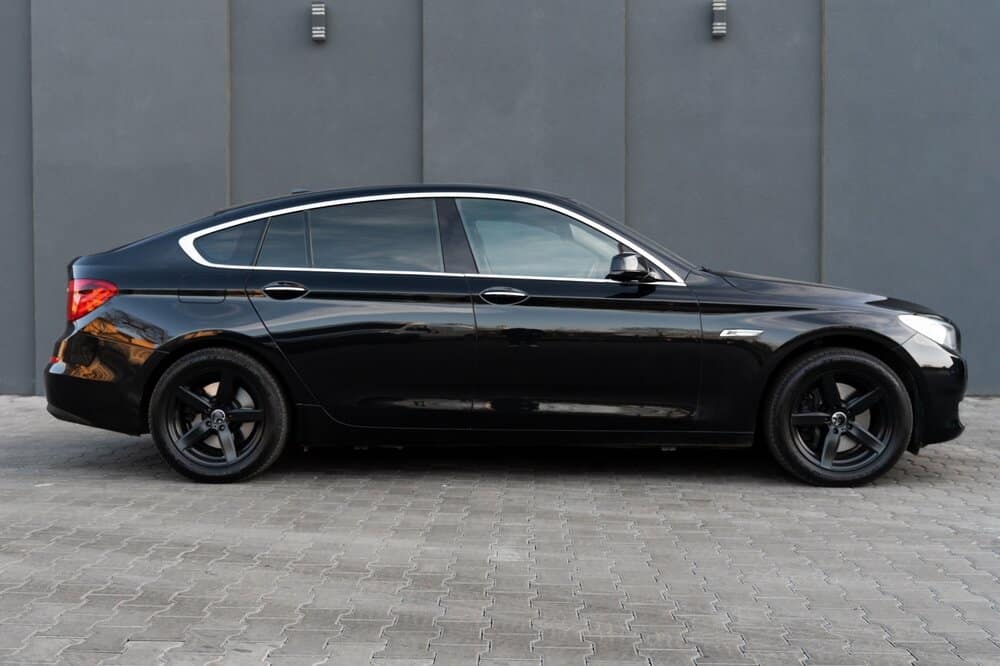
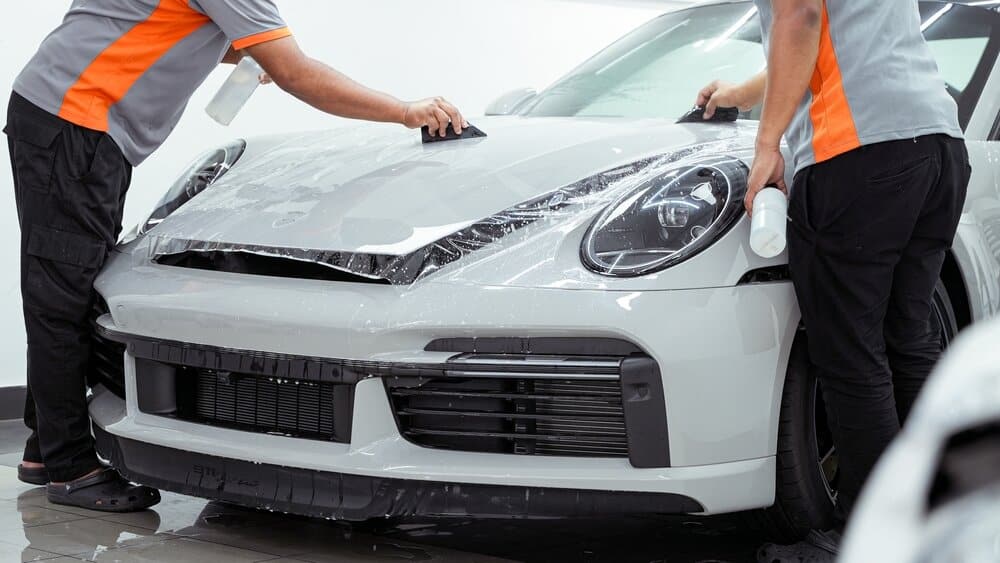
Paint protection film coverage does not have to be all or nothing. PPF can be installed on a few vulnerable areas, across the complete front end or over nearly every painted panel. The most suitable package depends on where the vehicle is driven, which panels receive impacts and how visible you want coverage transitions to be.
A clear coverage plan is more useful than a package name alone. Two installers may use the same label while including different panels, edges or trim pieces. Ask for a written panel list and diagram before approving the work.
What Paint Protection Film Is Designed to Protect
PPF is a flexible urethane film bonded to automotive paint. Its thickness allows it to absorb some stone impacts, scuffs, insect contact and light surface abrasion that a thin coating cannot handle.
3M recommends paint protection film for high-impact, vulnerable areas, while XPEL identifies the hood, fenders, mirrors and bumpers as common impact zones. Exact performance depends on the selected film and installation.
PPF reduces risk; it does not make paint indestructible. A sharp object or high-energy impact can cut through the film, and uncovered panels remain exposed.
Start by Identifying the Vehicle’s Impact Zones
The front bumper and leading edge of the hood receive direct road debris on most vehicles. Airflow and body shape can also direct grit toward mirror caps, fender shoulders, rocker panels and rear wheel arches.
Consider how the vehicle is used:
- Frequent highway driving: raises exposure to stones and debris at the front of the vehicle.
- Wide or flared bodywork: may cause the tyres to throw grit toward lower doors and rear quarter panels.
- Low ground clearance: can place the bumper, splitter and lower rocker sections closer to debris.
- Gravel or construction routes: increase impact exposure along lower panels.
- Track use: may expose the front end, rocker panels and areas behind the wheels to rubber and debris.
- Loading and passenger use: can create scuffs at door cups, door edges, sills and cargo openings.
A good installer should inspect the specific vehicle rather than assume that every model needs identical coverage.
Partial-Front PPF Coverage
A partial-front package normally covers the front bumper and a forward portion of the hood and front fenders. Mirror caps may be included. This approach protects the most direct impact zone while using less material than complete-panel coverage.
The main trade-off is a visible film edge across the hood and fenders. Dust or wax residue can collect along that line, and the transition may be more noticeable on dark paint or under strong lighting.
Partial-front coverage may suit:
- a vehicle with a limited protection budget;
- shorter ownership plans;
- moderate road exposure; or
- an owner comfortable with visible transition lines.
Confirm exactly how far the film extends. “Partial hood” can mean different measurements, and a short strip may not reach the area where a particular vehicle receives most impacts.
Full-Front PPF Coverage
A full-front package typically covers the complete hood, full front fenders, front bumper and mirror caps. Headlights may be included when their material, shape and local requirements allow film installation.
Covering entire panels moves film edges to natural panel gaps. This usually creates a cleaner appearance than lines across the middle of the hood or fenders and provides broader impact protection.
Full-front coverage is commonly considered for:
- regular highway driving;
- new or recently corrected paint;
- vehicles with large painted front surfaces;
- owners planning longer-term use; and
- drivers who want front protection without full-vehicle film.
Ask whether the hood and fender edges will be wrapped where practical. Some shapes, paint conditions or access limitations require a visible edge instead.
Track and High-Exposure Coverage
A high-exposure package extends beyond the standard front end. It may add rocker panels, A-pillars, roof leading edge, lower doors and the areas ahead of or behind the rear wheels.
This configuration is not a fixed industry standard. The useful panels depend on tyre width, aerodynamics, mud-flap use, track layout and road conditions. A vehicle-specific pattern should be based on observed impact areas.
Film on A-pillars and roof edges can create seams that require careful placement. Wide rear quarters may need custom sections or relief seams because of compound curves.
Full-Vehicle PPF Coverage
Full-vehicle coverage applies film to nearly all suitable painted exterior panels. It provides the broadest barrier against chips, scuffs and light abrasion while creating consistent film behaviour across the body.
It also requires the most material, preparation and installation time. Complex areas around badges, trim, handles, vents and sensors can affect cost and finish. Some small or highly textured pieces may not be suitable for film.
Full coverage can be useful for:
- vehicles with rare or difficult-to-match paint;
- matte or satin factory finishes that are difficult to correct;
- high-mileage vehicles exposed across many panels;
- cars used on track or gravel routes; and
- owners who prioritize broad physical protection.
It is still not a guarantee against every impact. Film can tear or stain and will eventually need inspection or replacement.
Small-Area PPF Options
PPF can also protect isolated contact points without covering major panels:
- Door cups: reduce fingernail and ring marks behind handles.
- Door edges: add a sacrificial layer where the door may contact nearby objects.
- Door sills: reduce shoe scuffs during entry and exit.
- Cargo or trunk ledges: protect paint when bags and equipment are loaded.
- Mirror caps: address a direct impact area.
- Rocker panels: protect against tyre-thrown grit and entry scuffs.
- Rear bumper luggage areas: reduce scratches from loading.
These sections can be added to another package or installed independently. Their edges should be positioned to limit lifting and avoid frequent direct contact.
Pre-Cut Patterns Versus Bulk Installation
Vehicle-specific software can produce pre-cut film patterns designed around a particular year, make and model. XPEL describes its pre-cut kits as tailored to individual vehicles. Patterns can reduce cutting near the paint and provide repeatable panel shapes.
Bulk installation uses larger film sections that are shaped and trimmed during the work. It can allow additional edge wrapping or customization, but it demands careful cutting technique.
Neither method is automatically superior for every panel. Many installers combine pattern adjustments and bulk techniques. Ask how the installer protects paint during trimming and where seams or relief cuts will be placed.
Wrapped Edges, Seams and Relief Cuts
Wrapping an edge means extending film around the panel boundary when access and geometry allow. This can make the edge less visible and reduce direct exposure to airflow or washing.
Not every edge can be wrapped. Tight gaps, bonded trim, sharp corners, sensors and limited access may require a visible termination. Stretching film too aggressively around a difficult shape can create tension that later pulls the edge back.
Relief cuts and seams may be necessary on bumpers and compound curves. Their placement should balance appearance with long-term stability.
Original Paint and Repainted Panels
PPF is commonly installed over sound original paint. Repainted panels require additional consideration because adhesion between the replacement paint layers may differ from the factory finish.
Fresh paint must cure for the period specified by the paint manufacturer and body shop before film installation. Even after curing, film removal may carry more risk on poorly prepared or weak repaint work.
Disclose previous body repairs before installation. The installer should document visible defects, paint edges, lifting clear coat and other concerns. PPF should not be used to stabilize peeling paint.
Gloss, Matte and Coloured Film
Clear gloss film is intended to preserve the existing glossy appearance. Matte or satin PPF changes reflected light and can convert gloss paint to a satin look. Coloured PPF changes both colour and surface protection.
Mixing finishes across adjacent panels can create obvious differences. Installing matte film on only the bumper of a gloss vehicle, for example, will not look like clear protection. When protecting factory matte paint, a compatible matte film helps maintain a consistent finish.
Review physical samples on a panel with a similar colour and finish. Online images cannot show every difference in texture, gloss or edge visibility.
How Coverage Changes Cost
Cost depends on more than the amount of film. Important factors include:
- number and size of panels;
- bumper and body complexity;
- film brand, series and finish;
- paint decontamination and correction;
- removal of badges or trim;
- edge wrapping and custom pattern work;
- existing film removal; and
- warranty and installer accreditation.
Compare quotes by panel list, film product and preparation—not only by package name. A “full front” quote that excludes mirrors or headlights is different from one that includes them.
Coverage Decision Guide
| Priority | Coverage to consider | Main trade-off |
|---|---|---|
| Basic protection for direct frontal impacts | Partial front | Visible hood and fender lines |
| Broad front-end protection with cleaner panel transitions | Full front | More material and installation time |
| Frequent highway, track or gravel exposure | Full front plus rockers and model-specific impact zones | More seams and custom sections may be required |
| Maximum suitable painted-panel coverage | Full vehicle | Highest cost and eventual replacement scope |
| Scuffs at specific contact points | Door cups, edges, sills or cargo ledges | Protects only the selected small areas |
Questions to Ask Before Choosing Coverage
- Which exact panels are included?
- How far does any partial hood or fender section extend?
- Which edges can be wrapped, and which will remain visible?
- Where will seams and relief cuts be located?
- Is the film pre-cut, bulk-installed or a combination?
- How are badges, sensors and trim handled?
- Is any paint correction included?
- Does the vehicle have repaint work that affects installation or removal?
- What film series and finish will be used?
- What does the written warranty cover?
Final Takeaway
The best PPF coverage is the package that matches the vehicle’s real impact zones. Partial-front film can cover basic frontal risk, full-front coverage removes mid-panel transitions, and full-vehicle film provides the broadest physical barrier. Small-area pieces can solve specific scuff problems without covering major panels.
Request a written panel list and inspect the proposed edge and seam locations before installation. For the differences between film and coatings, read the ceramic coating versus PPF guide. You can also review available paint protection film options and compare coverage using the same film and warranty terms.