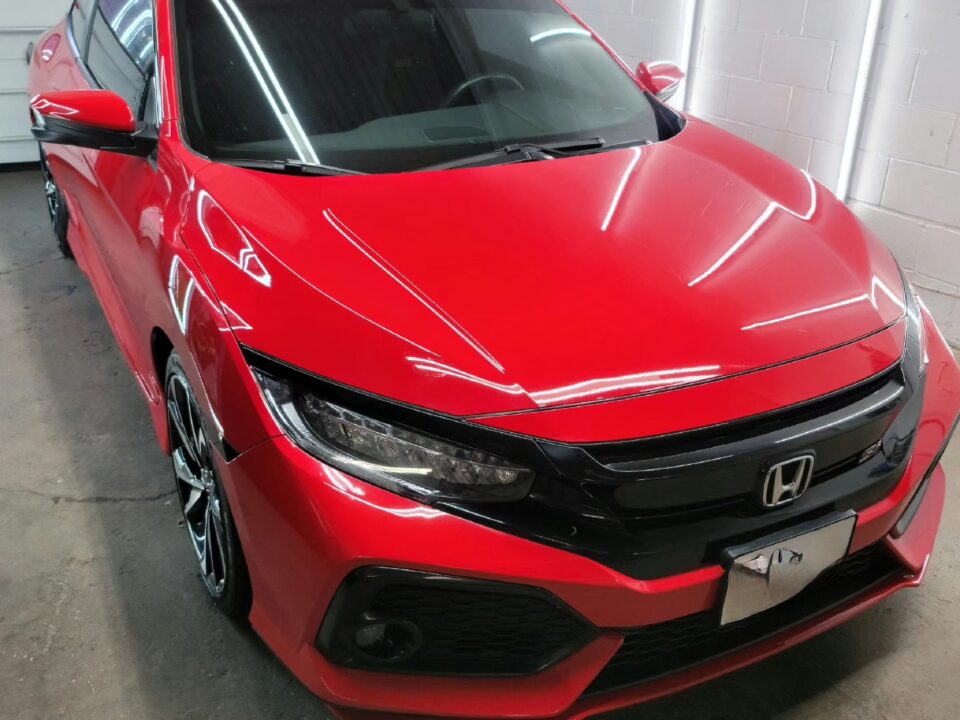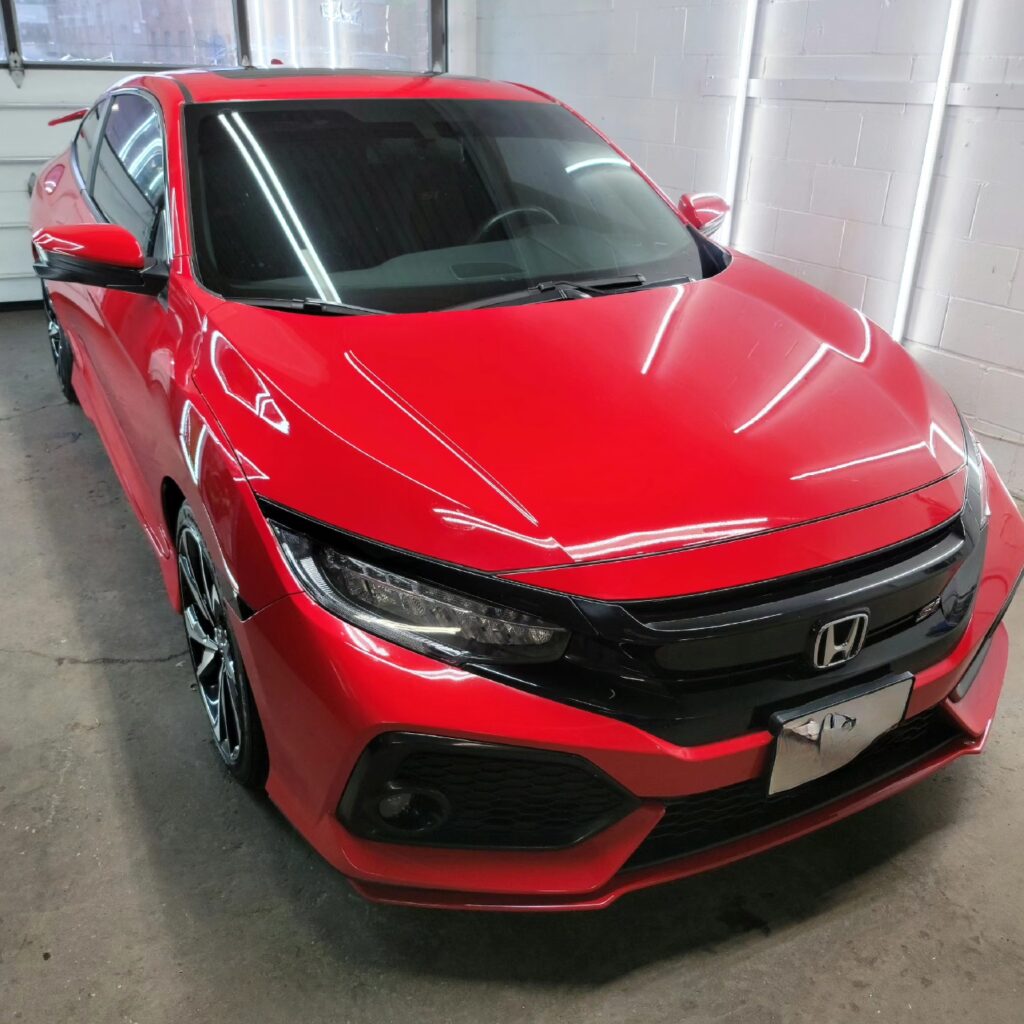
How often should you detail a car? There is no single interval that fits every vehicle. The right schedule depends on how the car is stored, how often it is driven, the contamination it encounters, the materials inside it and the type of protection already on the paint.
Detailing is also not one recurring service with a fixed list of steps. Routine washing, interior upkeep, decontamination, polishing and protection renewal happen at different intervals. Treating them separately avoids unnecessary abrasion and makes maintenance easier to plan.
Start With Condition, Not the Calendar
A calendar can provide reminders, but the vehicle’s condition should determine the work. Inspect the paint after washing, feel for bonded contamination, check how water behaves on protected panels and look for staining or wear inside the cabin.
A lightly used vehicle stored indoors may need little more than periodic washing and dust removal. A daily-driven vehicle exposed to rain, construction dust, insects, road salt, tree sap or frequent passenger use will need attention sooner.
The seasonal car detailing checklist provides a complete inspection sequence for vehicles that need a deeper reset.
Routine Washing Is Not the Same as a Full Detail
Routine washing removes loose and recently deposited contamination before it bonds firmly to the surface. A full detail may also include chemical decontamination, mechanical decontamination, correction, protection and deeper interior work.
Wash when the vehicle is visibly dirty or after exposure that should not remain on the surface. There is no benefit in allowing bird droppings, insect residue, sap, salt or heavy road film to sit until a scheduled detailing date.
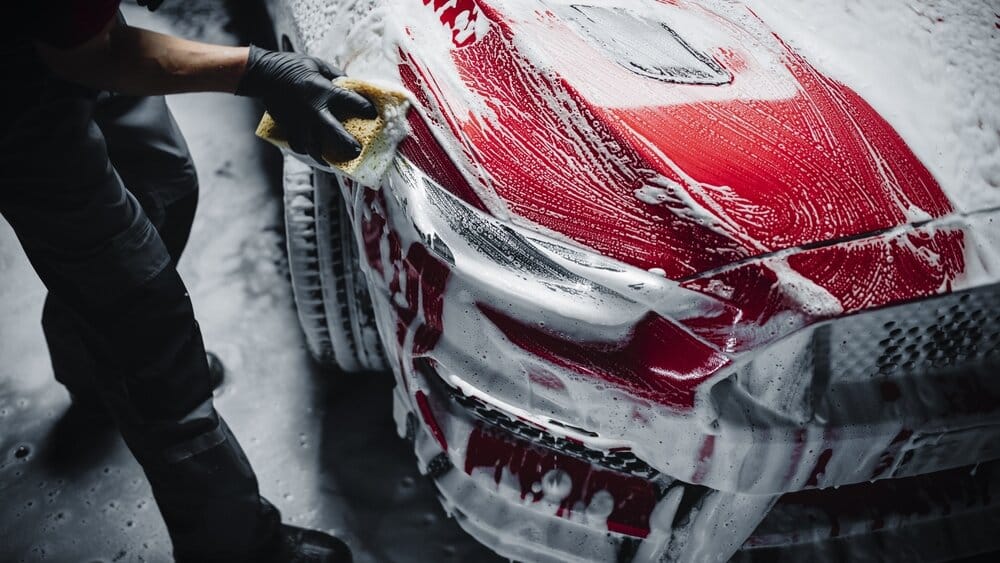
Use a method that reduces friction: pre-rinse, clean wash media, separate wheel tools and drying with clean microfiber towels or suitable air equipment. Washing more frequently with poor technique can create more marring than washing less often with a careful process.
How Often Should the Exterior Be Washed?
For many regularly driven vehicles, an interval of roughly one to three weeks is a reasonable starting point, but exposure matters more than the number of days. A vehicle parked outdoors under trees may need prompt spot cleaning even if it was washed yesterday. A garage-kept vehicle used only in dry weather may remain clean much longer.
Shorten the interval when the vehicle encounters corrosive or staining contamination. Rinse heavy salt, mud and sand from wheel arches and lower panels rather than waiting for a full detail. Remove bird droppings and insects with a compatible cleaner and dwell time instead of scrubbing.
Tree sap requires special care because the safest method changes as the deposit hardens. See the guide on removing tree sap from car paint before using solvents or mechanical pressure.
When Is Paint Decontamination Needed?
Decontamination addresses material that remains after an ordinary wash. Iron particles, tar, mineral deposits and industrial fallout may bond to paint and glass. The surface can look clean while still feeling rough.
After washing and drying, lightly glide a hand inside a thin plastic bag over a lubricated section of paint. The bag increases sensitivity to embedded particles. Visible iron spotting, persistent tar and a rough texture are reasons to consider targeted treatment.
Chemical decontamination should address the specific contaminant. Mechanical clay can remove what remains, but it can also create light marring. Clay should not be treated as an automatic monthly or seasonal step. Use it when inspection shows a need, and plan for polishing only if the resulting finish requires it.
How Often Should Paint Be Polished?
Polishing removes a small amount of material to reduce visible defects. It is different from applying wax or sealant, and it should not be repeated on a fixed schedule without inspecting the paint.
Consider polishing when swirl marks, oxidation, water-spot damage or light scratches remain after proper washing and decontamination. Start with a test section and the least aggressive combination that produces an acceptable improvement.
Deep scratches, peeling clear coat, exposed primer and failing paint cannot be safely repaired through ordinary polishing. The guide on dull automotive paint explains how contamination, marring, oxidation and clear-coat failure differ.
A well-maintained vehicle may go years without significant correction. Repeated heavy polishing is not preventive maintenance because clear coat is finite.
Renewing Wax, Sealant and Coating Protection
Protection products have different service lives, and even products in the same category vary. Instead of relying only on marketing claims, observe cleaning behaviour, water response and manufacturer guidance.
Wax may need renewal relatively often, while a synthetic sealant can last longer under suitable conditions. Ceramic coatings are intended for longer service but still require washing, occasional decontamination and inspection. Reduced water beading alone does not always mean a coating has failed; surface contamination can temporarily change its behaviour.
Use products compatible with the protection already installed. Applying unknown waxes, abrasive polishes or strong cleaners can alter appearance or interfere with coating maintenance. Follow the ceramic coating maintenance guide for coated vehicles.
Maintenance Intervals for Paint Protection Film
Paint protection film should be washed whenever contamination accumulates, with extra attention to insects, bird droppings, mineral spots and exposed edges. Do not aim concentrated pressure at a lifted edge or attempt to cut damaged film while it remains on the vehicle.
Inspect film during normal washes for staining, cuts, edge lift, adhesive contamination and changes in gloss or texture. Small topcoat marks may respond to warmth on self-healing products, but cuts through the film and damaged edges require assessment rather than repeated heating.
Product-specific aftercare takes priority because films differ. The paint protection film maintenance guide covers washing, stains, pressure and replacement indicators.
How Often Should the Interior Be Detailed?
Interior frequency depends on occupancy, food and drink, pets, children, work use, allergies and moisture exposure. Light upkeep performed often is safer and easier than repeatedly allowing soil to become embedded.
Remove rubbish and shake out mats as needed. Vacuum high-use areas and wipe compatible hard surfaces when dust or fingerprints accumulate. Clean spills promptly after identifying the material and contaminant.
A deeper interior detail may be appropriate when ordinary vacuuming no longer removes debris, fabric shows widespread soil, leather or coated surfaces need careful cleaning, or odour persists after the source is removed. Do not saturate carpet, seat foam, headliners, switches or electronic components.
Persistent dampness, mould concerns or odours returning after cleaning can indicate a leak or contamination beneath visible surfaces. Ordinary detailing should not be presented as a substitute for leak repair or specialized remediation.
Glass, Lights, Wheels and Tires
Clean glass whenever haze, fingerprints or contamination affect visibility. Use a product compatible with aftermarket tint and finish with a clean towel. Wiper chatter, splits or hardened blade edges should be addressed instead of hidden with dressings.
Wheels may need cleaning more often than the body because brake dust and road film accumulate quickly. Match the cleaner to the wheel finish and work on cool surfaces. Separate wheel brushes and towels from paint tools.
Detailing is also a useful opportunity to inspect tire sidewalls, tread, valve stems and pressure. Use the cold-tire pressure on the vehicle placard. Tire dressing is optional and must stay off tread surfaces and brake components.
Engine-Bay Cleaning Is Occasional, Not Routine
An engine bay does not need cosmetic cleaning at every detail. Cleaning can make leaks and damaged components easier to see, but it does not by itself improve fuel economy or repair mechanical problems.
If cleaning is appropriate, work on a cool engine and follow vehicle-specific precautions. Avoid uncontrolled high-pressure water, sensitive electrical areas, exposed filters and openings. Use minimal liquid and do not apply slippery dressings to belts, pulleys or contact surfaces.
Active leaks, damaged insulation and mechanical concerns should be evaluated before cosmetic work. When there is uncertainty, leave engine-bay cleaning to someone familiar with the vehicle.
Example Maintenance Schedules
The following examples are starting points rather than requirements:
Light-use, garage-kept vehicle
- Wash when visible contamination appears.
- Vacuum and wipe the interior as needed.
- Inspect protection and bonded contamination several times per year.
- Polish only when defects justify correction.
Daily-driven vehicle
- Wash approximately every one to three weeks, adjusted for exposure.
- Remove bird droppings, insects and sap promptly.
- Vacuum high-use interior areas regularly.
- Inspect for decontamination and protection renewal during seasonal changes.
Vehicle exposed to severe contamination
- Rinse or wash soon after salt, mud, heavy dust or insect exposure.
- Inspect lower panels, wheel arches and wheels closely.
- Use targeted chemical treatment before mechanical decontamination.
- Check chips, film edges and seals during each thorough cleaning.
Signs a More Thorough Detail Is Due
- The paint still feels rough after washing.
- Water spots, tar or iron deposits remain on clean surfaces.
- Swirl marks or oxidation are visible under direct light.
- Protection no longer cleans or behaves as expected after decontamination.
- Carpet and upholstery remain soiled after normal upkeep.
- Odour returns because the source has not been located.
- Film edges are lifting or the film shows cuts, staining or deterioration.
- Wheel barrels and tight areas have contamination ordinary washing cannot reach.
What Regular Detailing Can and Cannot Do
Consistent cleaning can reduce the time contaminants remain on surfaces, preserve the appearance of materials and make developing problems easier to notice. Documentation and careful condition may also help a future buyer assess how the vehicle was maintained.
Detailing cannot stop mechanical wear, guarantee resale value, prevent every stone chip or reverse failed paint. It complements mechanical maintenance; it does not replace it. Realistic care focuses on contamination control, material preservation and safe appearance improvement.
Final Takeaway
The best detailing schedule separates frequent low-impact maintenance from occasional corrective work. Wash according to exposure, clean spills and aggressive contamination promptly, decontaminate only when needed and polish only after inspecting the paint. A condition-based approach keeps the vehicle presentable without performing unnecessary abrasive or chemical treatments.