
A useful car window tinting guide should help you compare films by more than colour or darkness. The right choice depends on visibility, solar performance, the vehicle's existing glass, applicable rules and the quality of the installation.
Film names such as dyed, carbon and ceramic describe broad construction categories, but they do not provide a complete performance ranking. Two films in the same category can have different specifications. Start with the numbers, confirm how they were tested and choose a shade that remains practical in the conditions where you drive.
Start with the Main Window Tint Measurements
Manufacturers publish several measurements for automotive film. Understanding them makes product comparisons much easier:
- Visible light transmission (VLT): the percentage of visible light that passes through the filmed glass. A higher VLT looks lighter; a lower VLT looks darker. The International Window Film Association explains that VLT is the standard used to describe how light or dark a film appears.
- Total solar energy rejected (TSER): the percentage of total incoming solar energy rejected by the glass-and-film system. A higher TSER generally indicates better overall solar heat control.
- Ultraviolet rejection: the percentage of tested ultraviolet radiation rejected by the filmed glass. Review the exact manufacturer's claim instead of assuming every tint provides the same result.
- Infrared rejection (IRR): the amount of infrared energy rejected within a stated wavelength range. This number can be useful, but only when the products use comparable test methods and ranges.
- Visible light reflectance: the percentage of visible light reflected from the glass. This affects how mirror-like the film appears from inside and outside.
The final VLT is produced by the existing glass and film together. Installing a film labelled 50% VLT on factory glass does not necessarily produce a final reading of exactly 50%. Ask for specifications based on filmed automotive glass and confirm the expected combined result.
Common Types of Automotive Window Film
Product terminology varies among manufacturers, but most automotive films fit into a few general groups:
Dyed or Colour-Stable Film
Dyed film uses colour within its layers to absorb visible light and create a darker appearance. It is often the most economical option and can provide privacy and glare reduction. Basic products may offer less solar performance or colour stability than premium constructions, so warranty coverage and tested specifications matter.
Metalized and Hybrid Film
Metalized film uses reflective particles to manage solar energy. Hybrid products may combine dyed and metallic layers to balance appearance and performance. Some metal-containing films can affect certain radio, navigation, toll or communication signals, depending on the film and vehicle. Confirm signal compatibility before choosing one.
Carbon-Style Film
Carbon-labelled films are generally marketed as non-metallic products with a neutral or matte appearance. They may offer better colour stability and heat control than an entry-level dyed film. Because the label is used differently across brands, compare the specification sheet rather than relying on the word “carbon” alone.
Ceramic or Nano-Ceramic Film
Ceramic-style films use non-metallic particles designed to manage infrared and other solar energy while maintaining signal compatibility. They are commonly positioned as premium products and may offer strong heat rejection at lighter shades. Performance still varies by series, so a ceramic label is not a substitute for VLT, TSER and warranty data.
How Dark Should Window Tint Be?
The darkest available film is not automatically the best choice. Lower VLT can reduce bright light and provide more daytime privacy, but it can also make it harder to see pedestrians, cyclists, road edges and obstacles at night or in poor weather.
Requirements for windshields, front side windows, rear windows and reflectivity differ by jurisdiction. Rules can also change. Check the current requirements with the transportation or enforcement authority that applies where the vehicle is registered and driven. An installer should be able to explain the proposed final VLT, but the vehicle owner should understand the rule as well.
If heat control is the main goal, consider a lighter high-performance film rather than choosing darkness alone. The IWFA notes that film does not need to be very dark to provide solar performance.
How to Compare Heat-Rejection Claims
TSER is usually the most useful single figure for comparing overall solar-energy performance. Infrared rejection can provide additional information, but IRR results may cover different wavelength ranges. A very high infrared number should not be compared across products unless the testing basis is the same.
Manufacturer data sheets often state the type and VLT of the reference glass used during testing. For example, 3M's automotive film comparison guide defines VLT and TSER separately and lists results by film series and shade. Use that same approach with any brand: compare equivalent shades, test conditions and measurements.
Tint can reduce some solar energy entering the cabin, but it cannot keep a parked vehicle safe in hot weather. Never leave a child, another passenger or a pet unattended in a parked vehicle.
What Good Installation Looks Like
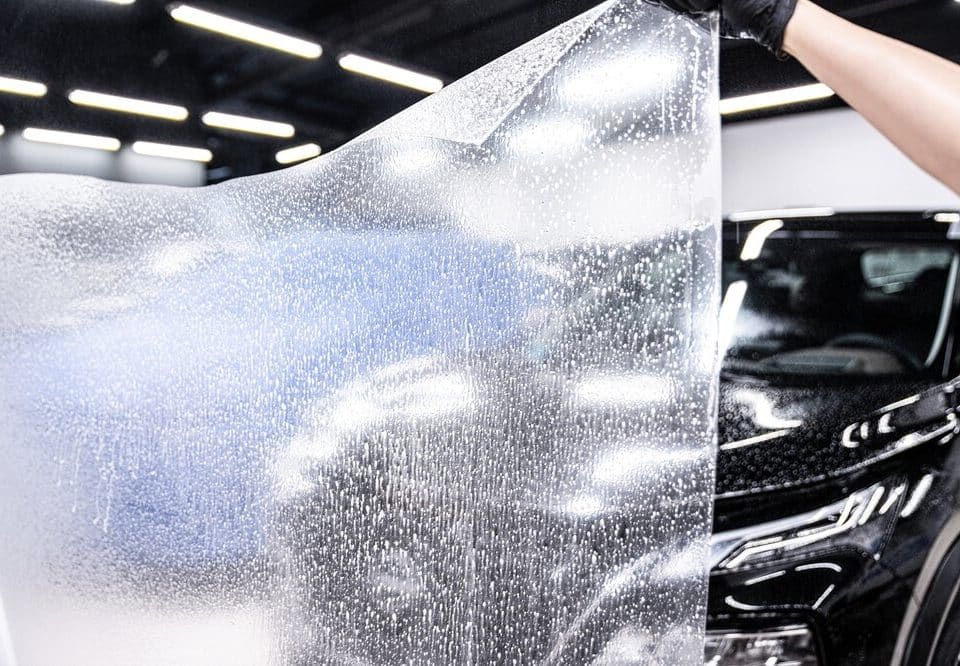
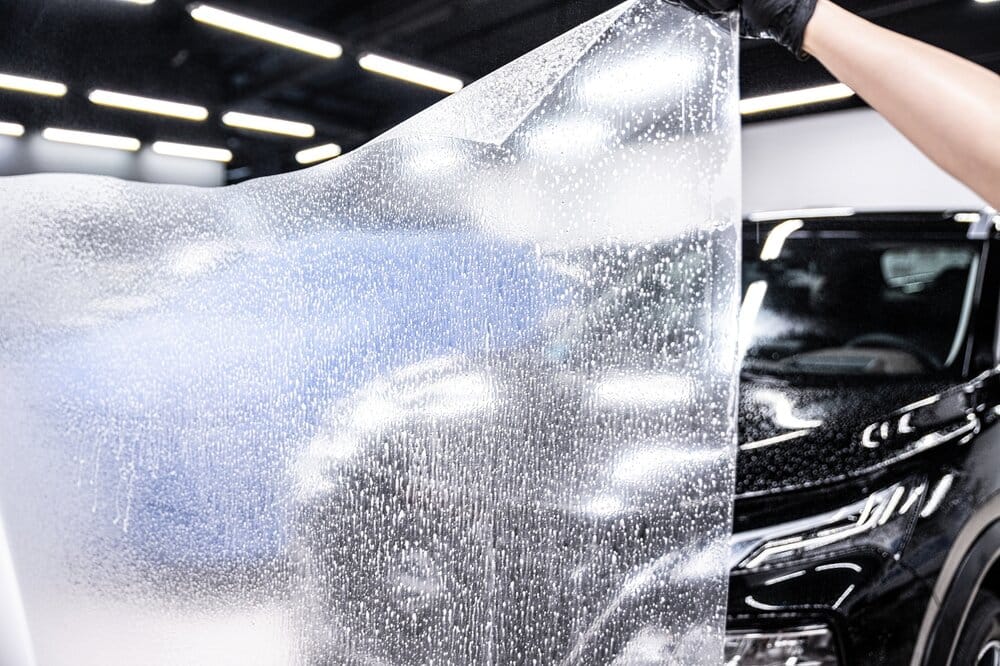
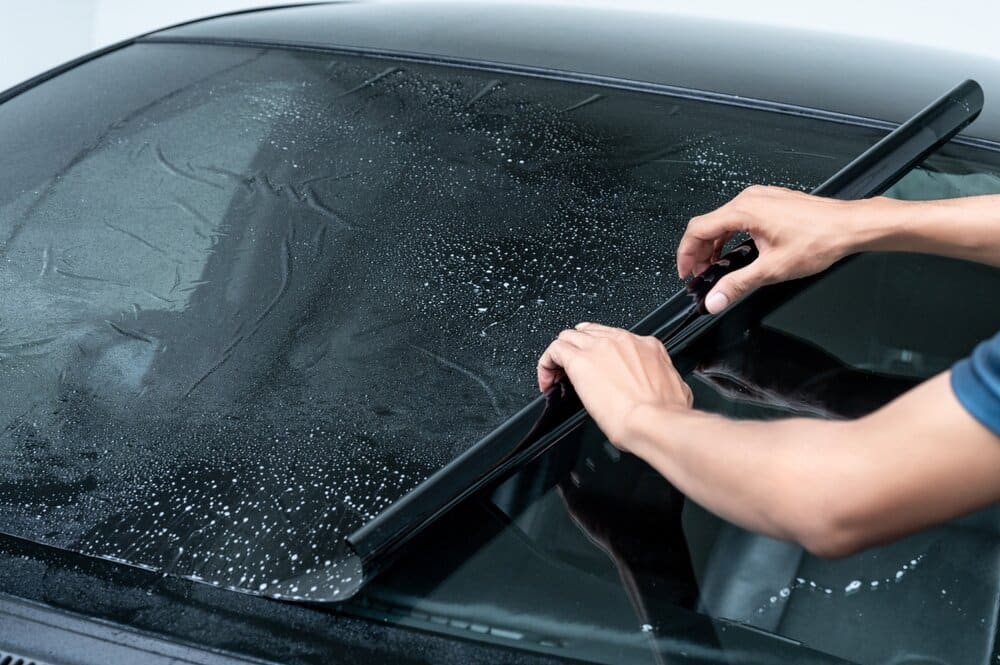
Automotive window film is installed on the interior side of the glass. The installer cleans and prepares the window, shapes the film, applies a slip solution, positions the material and removes trapped liquid with a squeegee. Curved rear glass usually requires heat-forming before installation.
A quality result should have consistent edges, good optical clarity and minimal contamination. Small amounts of moisture or temporary haze can be normal during curing. Large creases, peeling edges, obvious debris or distortion should be assessed by the installer.
The installation process should also account for rear-window defroster lines, embedded antennas, dot-matrix borders, sensors and tight interior trim. Ask whether the installer uses vehicle-specific patterns, hand cutting or a combination, and how surrounding surfaces are protected during the work.
Warranty and Product Quality
Read the written warranty before installation. Coverage can differ for bubbling, peeling, cracking, adhesive failure, colour change and excessive fading. Confirm whether the warranty comes from the manufacturer, the installer or both, whether it can be transferred to another owner and what documentation must be retained.
A trustworthy quote should identify the manufacturer, product series, shade and windows being covered. Terms such as “premium,” “ceramic” or “lifetime” are not meaningful without a named product and written conditions.
Window Tint Aftercare
Film needs time to dry and bond to the glass. Curing time varies with the film, temperature, humidity and window design. Follow the installer's specific instructions before rolling down the windows or cleaning the inside surface.
Temporary haze or small moisture pockets may appear after installation. XPEL's window-film care guidance, for example, notes that these conditions can remain for several days while installation moisture dries. Do not press, puncture or scrape them.
For routine cleaning, use a soft microfiber towel and a cleaner approved for tinted windows. Avoid abrasive pads, razor blades and harsh chemicals. Clean gently near film edges, and keep hard objects such as seat-belt buckles from striking the glass.
Questions to Ask Before Choosing a Film
- What manufacturer, product line and shade are being quoted?
- What will the estimated final VLT be on this vehicle's existing glass?
- What are the TSER, ultraviolet and infrared specifications?
- Are the figures measured using comparable test methods?
- Is the film non-metallic, and could it affect electronic signals?
- What does the written warranty cover?
- How long should the film cure before the windows are lowered or cleaned?
- What should be done if an edge lifts or a visible defect remains after curing?
Final Takeaway
The best automotive tint is not simply the darkest or most expensive option. Choose it by balancing legal requirements, outward visibility, tested solar performance, product quality and installation workmanship. A clear specification sheet and written warranty are more useful than broad marketing claims.
For more detail about UVA exposure, cabin heat and glare, read this guide to how automotive window tint affects comfort and visibility. You can also review available automotive window tint options before comparing product specifications.