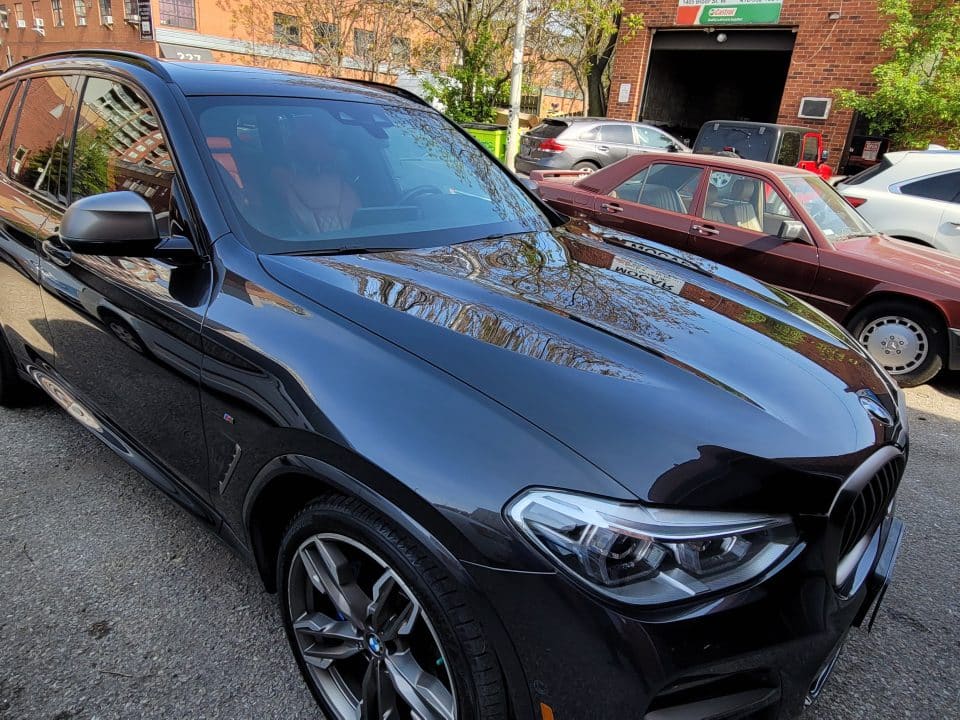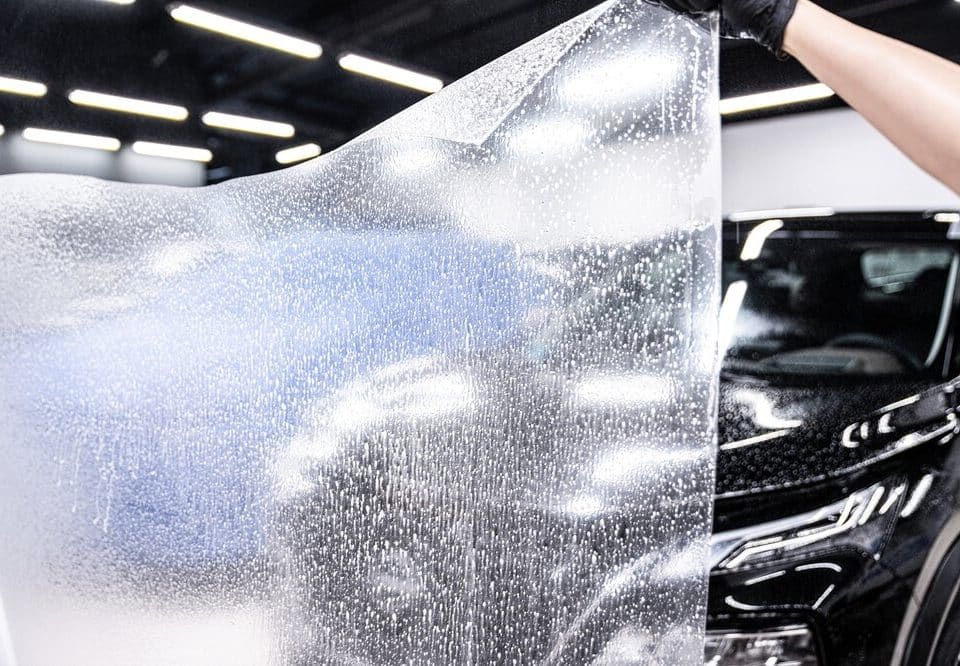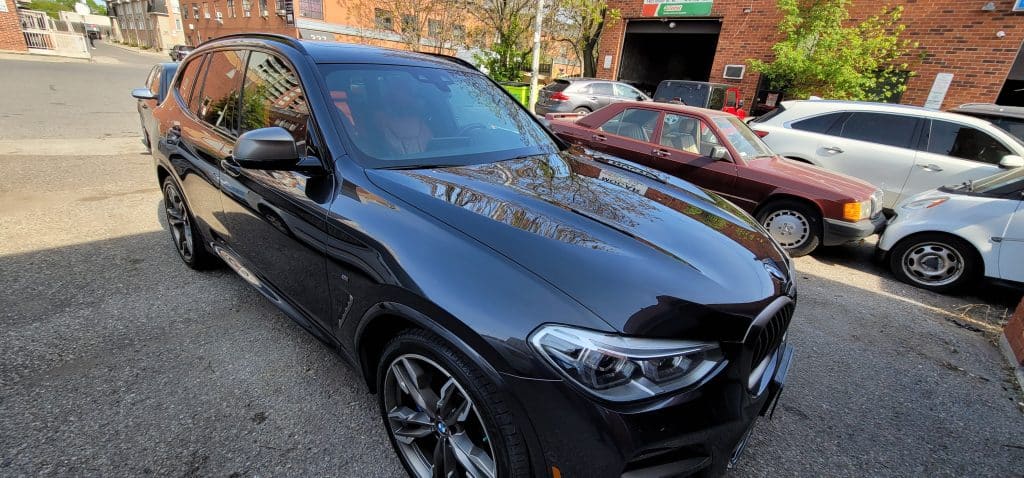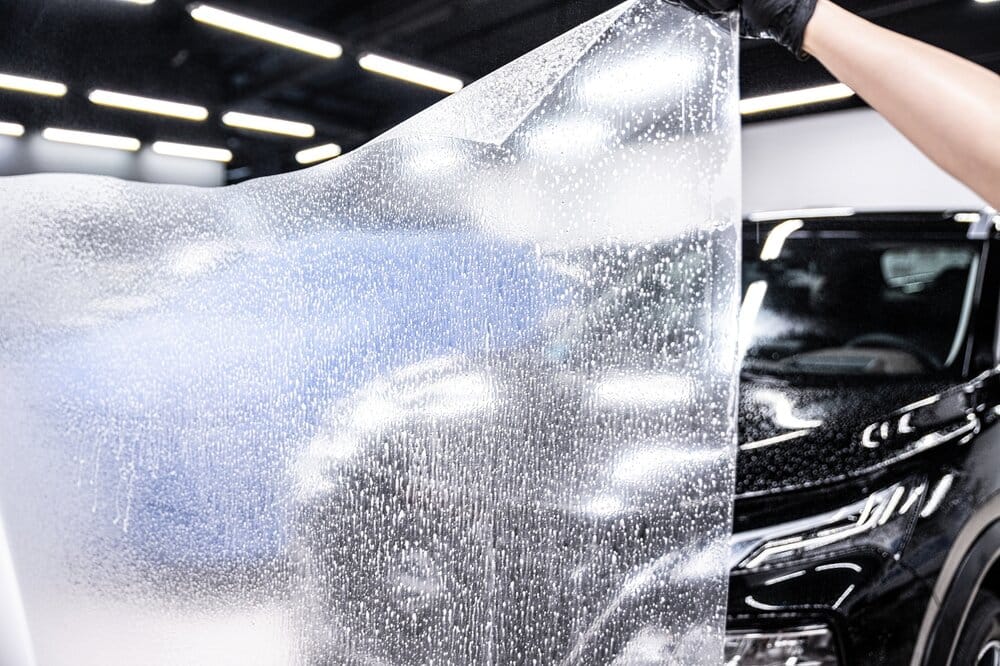
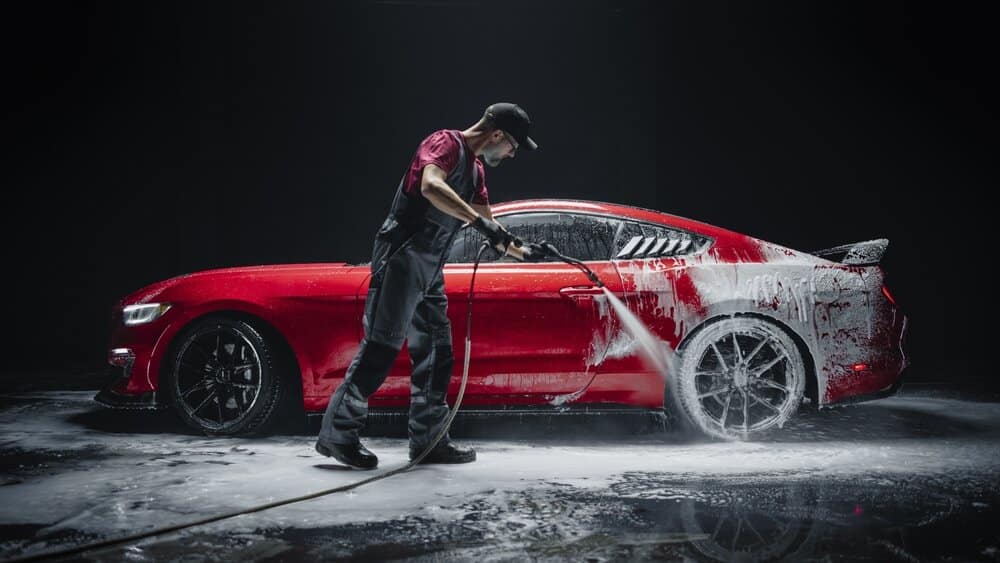
Car detailing is a thorough cleaning and reconditioning process designed to improve a vehicle’s interior, exterior and overall presentation. Unlike a basic car wash, detailing addresses areas where dirt, residue and wear accumulate over time. The goal is not to make every vehicle perfect, but to clean it safely, protect suitable surfaces and restore as much of its appearance as the condition allows.
What Does Car Detailing Include?
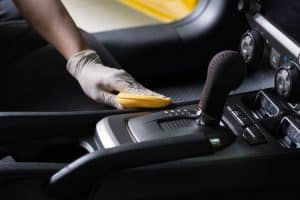
Interior detailing
- Removing personal items and loose debris
- Vacuuming seats, carpets, mats, the trunk and accessible crevices
- Cleaning the dashboard, console, cupholders, door panels and interior trim
- Cleaning interior glass and mirrors
- Treating leather, vinyl, plastic and fabric with material-appropriate products
- Using steam or hot-water extraction where the surface and condition make it appropriate
Exterior detailing
- Pre-rinsing and safely washing the body
- Cleaning wheels, tires, wheel wells, emblems and exterior trim
- Removing bonded contamination when necessary
- Drying with clean microfiber towels or filtered air
- Applying wax, sealant or another suitable protective product
- Polishing or paint correction when defects require a separate corrective service
Not every vehicle needs every procedure. Clay treatment, machine polishing and deep extraction should be recommended according to the condition of the surface rather than added automatically.
How to Detail Your Car at Home
A careful home detail can produce a meaningful improvement when you use suitable products and work methodically. Begin with the least aggressive process that can achieve the result.
1. Work in suitable conditions
Park in the shade and allow hot panels to cool. Direct sunlight can cause shampoo, water and cleaning products to dry before they are rinsed, increasing the risk of streaks and mineral spots. Read every product label before use and test unfamiliar interior cleaners in a hidden area.
2. Gather separate tools
Use a pH-neutral automotive shampoo, clean wash mitts, wheel brushes, microfiber towels, two buckets and a gentle drying towel. Keep wheel and lower-panel tools separate from anything that touches upper painted surfaces. Brake dust and road grit can scratch paint when transferred by a towel or mitt.
3. Start with the interior
Remove floor mats and personal items, then vacuum from the upper surfaces downward. Use brushes and compressed or filtered air carefully around seams and vents where accessible. Apply interior cleaner to a towel or brush rather than spraying electronic controls directly. Avoid soaking headliners, buttons or delicate materials.
4. Clean wheels before the body
Wheels and wheel wells usually hold the heaviest contamination. Work on one cool wheel at a time with a cleaner approved for its finish. Agitate with dedicated brushes, rinse thoroughly and do not allow the product to dry.
5. Pre-rinse and wash from the top down
Rinse loose dirt before making contact with the paint. Wash the roof and upper panels first, saving rocker panels and other heavily contaminated areas for last. Rinse the mitt frequently and use light, straight passes instead of aggressive scrubbing.
6. Dry gently
Do not leave mineral-rich water to air-dry on the paint. Use a soft microfiber drying towel with minimal pressure or a dedicated vehicle dryer. Blow trapped water from mirrors, emblems and panel gaps before completing the final towel pass.
7. Inspect before decontaminating or polishing
After washing, lightly feel the paint through a clean plastic bag. A rough surface can indicate bonded contamination, but clay treatment is not required on a fixed schedule and can create light marring. Use it only when needed, with proper lubrication, and understand that polishing may be required afterward.
Machine polishing removes a small amount of clear coat. If you cannot identify the paint condition, choose the correct pad and polish, or monitor the result safely, leave correction work to an experienced professional.
8. Apply suitable protection
Wax can add gloss and short-term protection. Synthetic sealants normally last longer, while ceramic coatings require more preparation and careful application. Follow the manufacturer’s instructions for temperature, curing time and maintenance. No protective product makes paint scratch-proof or eliminates the need for washing.
When Professional Detailing Makes Sense
Before booking, ask what the package includes, how the shop assesses delicate materials, whether paint polishing is included and how additional labour is approved. Request realistic expectations for stains and scratches because some damage cannot be removed safely.
How Often Should a Car Be Detailed?
There is no universal schedule. A daily-driven vehicle stored outdoors may need attention more often than a lightly used vehicle kept in a garage. Weather, mileage, children, pets, work conditions and washing habits all affect the interval.
Routine vacuuming, prompt removal of spills and regular safe washing reduce the need for aggressive cleaning later. A deeper detail can then be scheduled when ordinary maintenance no longer restores the desired result.
Final Car Detailing Tips
- Use products designed for the material being cleaned.
- Start gently and increase cleaning strength only when necessary.
- Use clean towels and separate tools for wheels, paint and interior surfaces.
- Remove bird droppings, insects and spills promptly.
- Avoid automatic brush washes when preserving paint is a priority.
- Do not promise complete removal of deep scratches, permanent stains or material damage.
A good detail is built on safe methods, careful inspection and realistic expectations. Whether you maintain the vehicle yourself or use professional car detailing services, consistent care is more effective than waiting until contamination becomes severe.