keyed car
There’s a particular kind of sinking feeling when you walk back to your car and see it. A thin, deliberate line running across the door, sometimes along the whole side. It might have happened in a parking lot, on a residential street overnight or, more often than people expect, in a condo garage.
Before you start pricing out a repaint, take a breath. Not every keyed car needs a body shop. Some key scratches look terrible but sit only in the clear coat, and those can often be polished out in a few hours. Others go straight through to the metal and need proper paintwork. The first job is figuring out which one you’re dealing with.
Start With the Fingernail Test
Wash and dry the area first, so you’re looking at the scratch and not dirt sitting in it. Then gently run your fingernail across the line, not along it. If your nail glides over without catching, the scratch is most likely in the clear coat only. That’s the best case.
If your nail catches slightly, it has probably reached the color layer underneath.
If you can see white, gray or bare silver metal at the bottom of the scratch, it’s through to the primer or the panel itself. That’s the one you shouldn’t ignore, especially heading into winter, because exposed steel and road salt don’t get along.
A bright flashlight held at a low angle helps a lot here. So does looking at it in daylight instead of under parking garage lights.
What You Can Fix Yourself
For light, clear-coat scratches, a decent scratch-and-swirl compound and a clean microfiber or foam applicator can make a real difference. Work a small amount into the scratch with firm, overlapping motions, wipe it off and check your progress. Then follow up with a finer polish to bring the gloss back, since compound on its own can leave the area slightly hazy.
Go slowly. Clear coat is only about as thick as a sheet of paper, and it’s easier than you’d think to rub through it on a body line or edge.
Be skeptical of the “scratch remover pens” that promise to make keying vanish. Most just fill the line with a clear resin that looks okay for a few weeks and then washes out.
For deeper scratches that have reached the color, touch-up paint is the realistic DIY option. Your paint code is usually on a sticker inside the driver’s door jamb. Order touch-up paint matched to that code, clean the scratch with isopropyl alcohol, and apply thin layers with a fine brush or toothpick rather than the bulky brush in the bottle. Let each layer dry before the next.
Be honest with yourself about the result. Touch-up paint protects the metal and makes the damage much less noticeable from a few feet away. It won’t look invisible up close.
If metal is showing and you can’t get it repaired soon, at least seal it with touch-up paint or primer. Rust starts faster than most people think.
When to Hand It to a Professional
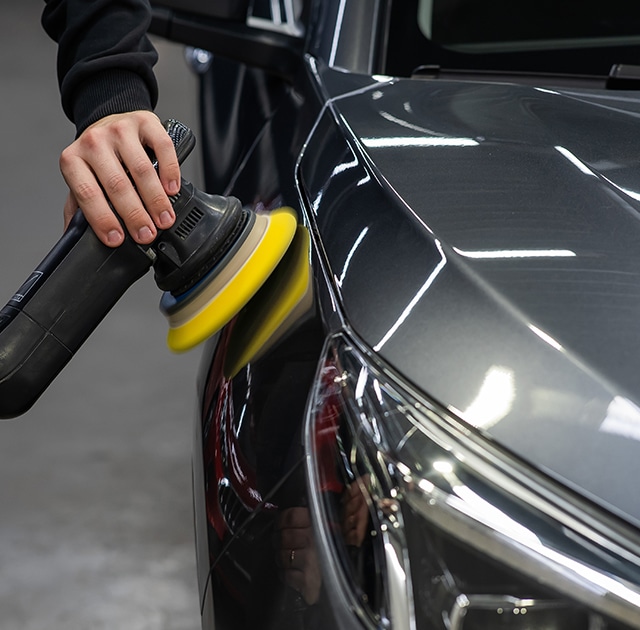
Light keying across a panel or two is often a good candidate for machine polishing. A detailer with the right equipment can level the clear coat around the scratch so it either disappears or fades to the point where you’d need to know where to look. If you’ve tried compound by hand and it’s only half better, that’s usually a sign the car would benefit from professional car detailing in Etobicoke rather than another round in the driveway.
A good detailer should also tell you when polishing won’t solve it. If the scratch has gone through to primer or metal, it needs a body shop, and no amount of buffing changes that.
What It Costs in 2026
Prices vary a lot by vehicle, color and how much of the car was hit, so treat these as rough GTA ballparks, not quotes:
- Professional polishing for light, clear-coat key marks on one or two panels often lands somewhere in the low to mid hundreds.
- A body shop refinishing a single panel, such as one door, commonly runs from several hundred dollars to over a thousand, depending on the paint and blending needed.
- When a whole side has been keyed across multiple panels, total repair bills of a few thousand dollars aren’t unusual, especially for tri-coat, pearl or matte finishes.
Panels next to the damaged one often need to be blended so the color matches, which is why a “one-door” job can end up touching two or three panels.
Does Insurance Cover a Keyed Car?
In Ontario, vandalism like keying generally falls under comprehensive (or all perils) coverage, not collision. If you only carry the mandatory minimum coverage, you likely aren’t covered for it.
If you do have comprehensive, the question is whether it’s worth claiming. You’ll pay your deductible first, so a $600 repair against a $500 deductible hardly makes sense. A multi-panel repaint is a different story.
Some things that help if you’re thinking about a claim:
Take clear photos right away, from a distance and up close, with something in the frame for scale. Note the date, time and location. File a police report. Toronto Police allow many property damage reports to be filed online, and your insurer will usually ask for the report number. Then call your broker or insurer before booking the repair, and ask directly how a vandalism claim might affect your premium. Policies differ, so it’s worth hearing it from them rather than guessing.
Preventing It From Happening Again
You can’t fully stop someone determined to damage a car, but you can make your car a less tempting target. Park in well-lit, busy areas or within view of cameras when you can. A dash cam with parking mode has helped plenty of drivers identify the person responsible, which matters for both police reports and insurance.
Paint protection film on high-risk areas like doors and rear quarters won’t make a car key-proof, but it adds a sacrificial layer that can take a lighter scratch instead of your paint. A ceramic coating won’t stop keying either, despite what some ads suggest, though it does make the paint easier to maintain and polish later.
Bringing Your Car to MNV
When a keyed car comes into our shop for car detailing in Etobicoke, the first thing Milad does is look at it under proper lighting and measure the paint. That tells us straight away whether polishing can fix it or whether you’re better off at a body shop, and we’ll tell you either way.
He’s been correcting paint around Toronto since 2004 and holds certifications from GYEON, IGL Coatings and Ceramic Pro, so if polishing is the answer, the work is done in our shop under controlled conditions. Send us a few photos of the damage or call (647) 394-3656, and we’ll give you an honest read on what your car needs.