types of car washing
We get asked some version of this question almost every week, usually by someone standing next to their car in our shop, pointing at a web of fine scratches on the hood. “I only ever take it through the car wash,” they say. And that’s often the answer right there.
Not every car wash is bad. Some are perfectly fine for most people most of the time. But they work in very different ways, and what happens to your paint depends a lot on which one you pull into. Here’s how we see the main options after two decades of cleaning up after them.
The Tunnel Wash With Brushes
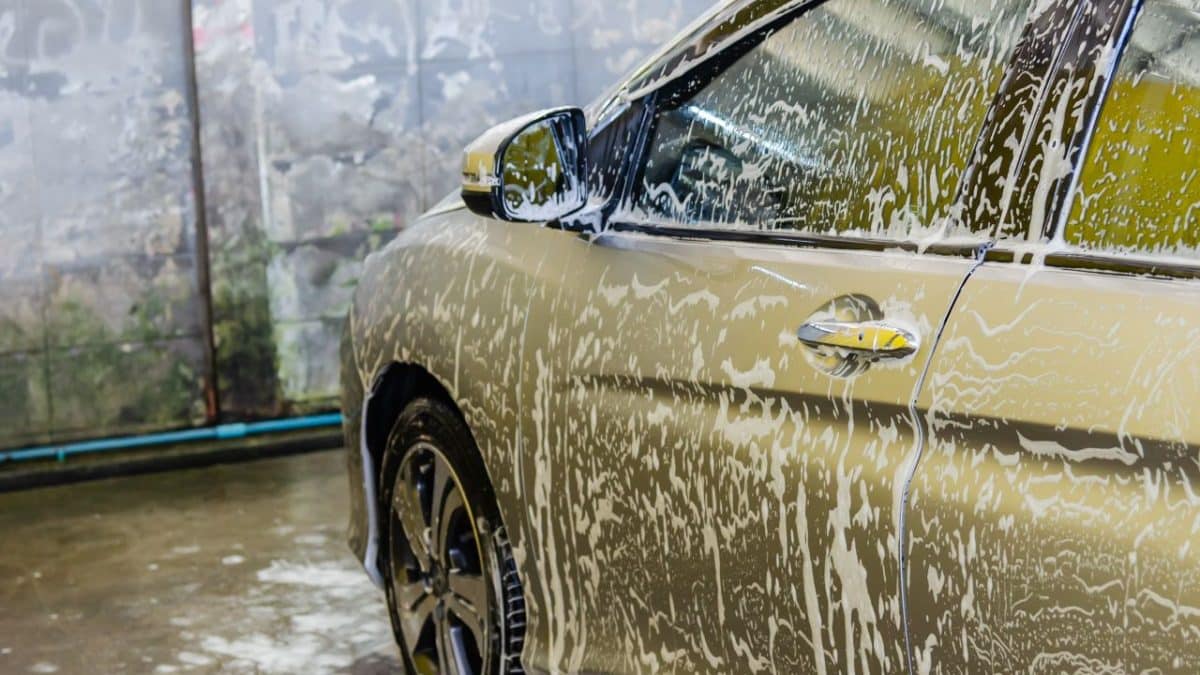
This is the one most people picture. You put the car in neutral, a conveyor drags you through, and big spinning cloth or foam strips slap against every panel while soap and water rain down.
They’re fast and cheap, and modern ones use softer materials than the stiff nylon bristles of the ’90s. The problem is that those strips don’t get cleaned between cars. The pickup truck ahead of you just came off a construction site, and some of that grit is now riding on the cloth that’s about to scrub your door.
One wash won’t ruin anything. A few dozen over a couple of years, though, and you’ll see it on a sunny day: swirl marks, especially on dark colors. Black and navy cars show it worst.
Touchless Washes
Nothing physically touches the car here. High-pressure jets and strong chemicals do the work instead.
That sounds like the safe choice, and in terms of scratching, it mostly is. The trade-off is that without any friction, the soap has to be aggressive to break down road film. Many touchless washes use high-pH detergents that will strip wax and wear down sealants faster than you’d expect. They also tend to leave a thin layer of grime behind. Run a finger across the paint afterward, and it often comes back gray.
Still, in the middle of a Toronto January, a touchless wash with an underbody spray is a reasonable way to get salt off the car between proper cleanings. We’d take that over letting salt sit on the rocker panels for six weeks.
Self-Serve Bays
The coin-op (now mostly tap-to-pay) bays with a pressure wand and a foaming brush on a hose. You control everything, which is both the appeal and the risk.
The pressure wand is genuinely useful. Rinsing salt and slush out of the wheel wells and from under the bumpers is something no automatic wash does as well as you can with a wand and five minutes of patience. Keep the nozzle a foot or so away from the paint and away from any chips or peeling clear coat.
The foaming brush is another story. Please don’t use it on your paint. Someone used it to scrub their muddy winter tires right before you, and it may have been dropped on the gravel floor a few times that day. Use it on tires and floor mats if you want, and nothing else.
Hand Washing
Done properly, a hand wash is the gentlest way to clean a car. Done badly, it can be worse than a tunnel.
The difference comes down to technique. A careful hand wash usually involves pre-rinsing or foaming the car to loosen dirt before anything touches it, washing from the top down, using two buckets (one with soap, one to rinse the mitt) and switching to a separate mitt for the lower panels and wheels. Drying is done with clean microfiber, not a chamois that’s been sitting in the garage since last summer.
A sponge, one bucket and an old bath towel will scratch paint just as reliably as any brush wash. If you’re hand washing at home, the two-bucket method alone makes a big difference.
Rinseless and Waterless Washes
These have become popular in the city, especially with condo owners who don’t have access to a hose or whose underground parking doesn’t allow washing.
A rinseless wash uses a bucket of water mixed with a special polymer solution. You soak a microfiber towel or mitt, clean one panel at a time, and dry it straight away. No hose needed. Waterless products are similar but come in a spray bottle.
Mobile Washes
A mobile wash brings water, equipment and products to wherever you’re parked. Quality varies a lot from one operator to the next, so it’s worth asking what they actually do. Some are basically a hand wash on wheels. Others bring steam and extraction equipment and can handle the interior too.
Where Detailing Fits In
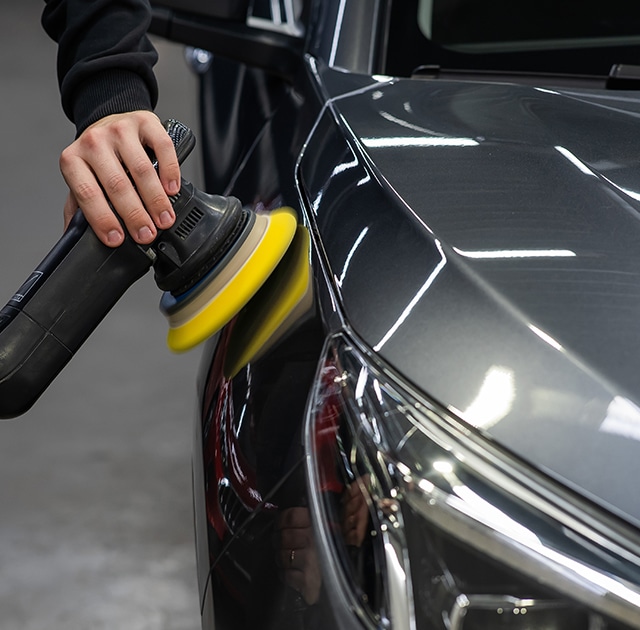
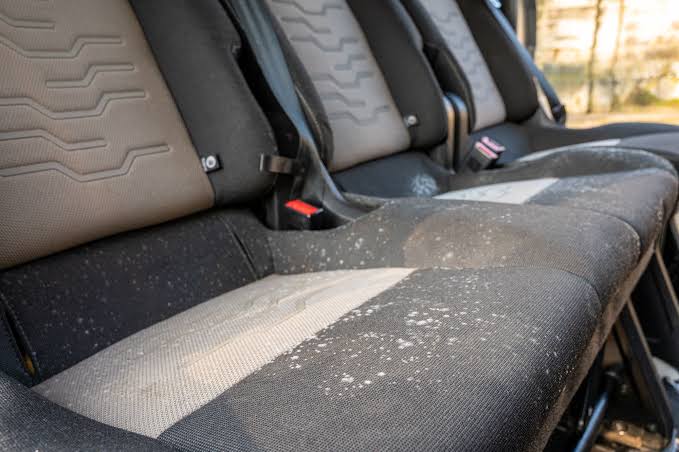
People often lump detailing in with washing, but it’s a different job. A wash removes dirt. Detailing deals with what washing leaves behind, including bonded contamination you can feel as roughness on the paint, salt crusted into the carpet, swirl marks those brush washes put there in the first place, and the protection your paint needs to hold up through another winter.
If your car’s been through a few seasons of automatic washes and the paint looks flat even when it’s clean, that’s usually a sign it’s time for car detailing in Toronto rather than another trip through the tunnel. A good polish can take out much of that damage, and a coating afterward makes future washes faster and safer.
So Which Wash Should You Use?
Honestly, it depends on your car, your schedule, and where you live. Here’s roughly what we’d tell a friend.
If your car is new or has a ceramic coating, stick to hand washing or a rinseless wash, and use touchless in winter when you have no other choice. If you drive an older daily commuter and just want the salt off, a touchless wash with underbody spray is fine. If you have a dark car and care how it looks in sunlight, avoid brush tunnels altogether.
And whatever you pick, don’t let winter salt sit. It eats at brake lines, exhaust parts, and the lower edges of doors long before you notice anything.
Many of our clients use a simple routine: regular washes through the season, then car detailing in Toronto in spring to clear out winter damage, and again in fall before the salt trucks come back out.
Talk to Us About Your Car
Milad has been detailing cars in Toronto since 2004, and he still looks at every vehicle himself before we recommend anything. Sometimes the right answer is a full paint correction.
Sometimes it’s just a good interior clean and a tip on how to wash it better at home. You can drop off at our Bloor West, North York or Liberty Village shops, open 7 a.m. to 10 p.m. every day, or we can come to you for interior and complete details. For honest advice and car detailing in Toronto, call us at (647) 394-3656.