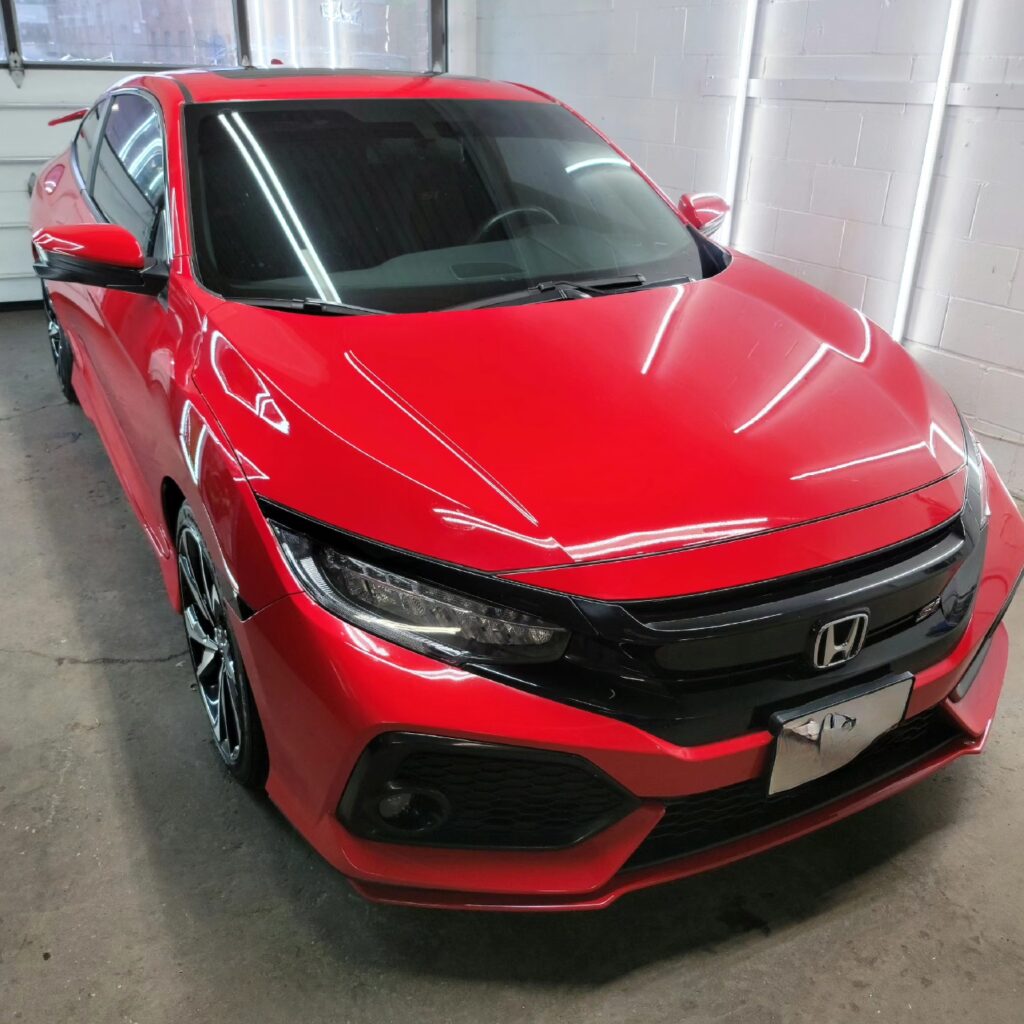
Does Car Detailing Increase Resale Value?
Detailing cannot change a vehicle’s model year, mileage, accident history or mechanical condition. It can improve presentation, make the condition easier to assess and reduce the visible cleanup a buyer or dealer expects to complete after purchase.
What Actually Determines a Used Vehicle’s Value?
Market value begins with factors detailing cannot change: make, model, trim, model year, mileage, powertrain, equipment, accident history, maintenance history, local supply and current demand. Mechanical condition and title status usually matter more than cosmetic presentation alone.
Appearance still affects how those facts are interpreted. A buyer looking at two similar vehicles may respond more positively to the one that is clean, dry, odour-free and easy to inspect. A dealer may also consider the reconditioning required before the vehicle can be offered for sale.
Detailing supports value; it does not create it from nothing
Professional cleaning cannot erase an accident record, repair a transmission, replace missing paint or guarantee a higher offer. Its realistic role is to present the vehicle’s actual condition clearly and address reversible cosmetic neglect.
How Detailing Can Help Before a Sale
Stronger first impression
Clean glass, tidy wheels, glossy paint and an uncluttered cabin make photographs and in-person viewings easier to evaluate.
Less visible reconditioning
Removing ordinary soil, salt and debris may reduce the cleanup a buyer or dealer expects after the transaction.
Clearer condition assessment
A clean surface reveals chips, scratches and wear honestly instead of hiding them under dirt or temporary dressings.
Better buyer confidence
A maintained appearance combined with service records can support the impression that the vehicle has received consistent care.
Private Sale vs. Dealer Trade-In
Detailing can influence each transaction differently. A private buyer often sees the vehicle before any professional reconditioning takes place, so presentation may have a larger effect on interest, photography and negotiation. A dealership has its own appraisal process and access to wholesale data, mechanical inspection and reconditioning estimates.
| Situation | What detailing may improve | What it cannot control |
|---|---|---|
| Private sale | Listing photos, viewing experience, perceived cleanliness and confidence | Comparable prices, buyer budget, vehicle history and market demand |
| Dealer trade-in | Appraisal presentation and visible cleanup required | Wholesale value, dealer inventory, auction data and reconditioning standards |
| Lease return | Ordinary cleanliness and easier inspection | Contract wear standards, mileage charges, damage fees and missing equipment |
Which Detailing Work Usually Matters Most?
1. Remove personal items and rubbish
An empty cabin and cargo area allow a buyer to see the usable space. Remove toll devices, documents, child-seat accessories and anything containing personal information before photography or appraisal.
2. Clean the interior according to its condition
Vacuuming, mat cleaning, hard-surface cleaning, interior glass and suitable fabric or carpet treatment can substantially improve a neglected cabin. Strong odours require source removal, not fragrance. Persistent dampness may indicate a leak that should be diagnosed.
3. Wash and decontaminate the exterior
A careful wash removes loose contamination and gives you an honest view of paint, glass, trim, wheels and tires. Bonded contamination may require targeted chemical or clay treatment, but decontamination should be based on inspection—not added automatically.
4. Correct only defects that justify the cost
Paint correction can improve eligible swirl marks, oxidation and light clear-coat defects. It cannot fix deep scratches through the paint, rust, chips or peeling clear coat. On a modestly priced vehicle, intensive multi-stage correction may cost more than the sale is likely to recover.
When Is Professional Detailing Worth the Cost?
Start with a realistic selling or trade-in range from current comparable listings and a recognized valuation source. Then compare the condition of your vehicle with similar examples. The strongest opportunity is usually where the problem is visible, reversible and important to buyers.
- Often worthwhile: heavily soiled mats, obvious salt residue, pet hair, dusty crevices, hazy interior glass, road film and generally neglected presentation.
- Needs assessment: persistent odour, deep staining, overspray, widespread bonded contamination, severe oxidation or paint correction.
- Usually a repair decision: dents, cracked glass, warning lights, mechanical faults, torn upholstery, rust, peeling paint and deep scratches.
Ask for an estimate before choosing intensive work. MNV’s car detailing price page can help you compare package scope, while a vehicle-specific assessment determines whether additional labour is justified.
Clean Is Better Than Temporarily Hidden
A sale-preparation detail should improve condition without creating misleading expectations. Heavy silicone dressings can leave steering wheels, pedals or mats slippery. Fillers can temporarily reduce the appearance of paint defects. Strong fragrance may raise questions about an unresolved odour.
Clean the vehicle, document any professional work and disclose material defects. Honest presentation protects the seller’s credibility and helps the buyer understand what is cosmetic, what has been corrected and what still needs attention.
A Practical Pre-Sale Detailing Checklist
- Gather maintenance records, ownership documents and both sets of keys.
- Remove personal information from navigation, garage-door and connected-app systems.
- Empty the cabin, trunk and storage compartments.
- Vacuum seats, carpets, mats and cargo areas.
- Clean compatible interior surfaces and glass.
- Address salt, pet hair and stains according to material and severity.
- Wash the exterior, wheels and door jambs carefully.
- Inspect for chips, dents, scratches, warning lights and missing items.
- Choose correction or repair only after comparing the cost with likely value.
- Photograph the clean vehicle in even daylight without editing out defects.
The Practical Takeaway
Car detailing can improve resale presentation and may help support a stronger offer, but no detailer can promise a specific increase in value. The best return usually comes from correcting obvious, reversible neglect at a cost that makes sense for the vehicle. Combine clean presentation with maintenance records, an honest description and a realistic market price.
Evidence Behind the Guidance
These Canadian sources explain vehicle valuation, sale preparation and trade-in behaviour. They support a measured conclusion: condition and presentation matter, but value also depends on market data and vehicle history.
Detailing and Resale Value FAQs
Does car detailing increase resale value?
Should I detail my car before trading it in?
What detailing work matters most before selling?
Will paint correction pay for itself?
Can detailing hide damage from a buyer?
Is professional detailing better than cleaning the car myself?
Get a Condition-Based Detailing Estimate
Tell MNV Auto Detailing whether you are preparing for a private sale, trade-in or lease return. We will recommend the work that addresses the vehicle’s actual condition without promising an unrealistic price increase.